
Barron Prize Winners
PRIOR YEARS’ WINNERS
The Barron Prize has been honoring heroic young people since 2001. You can find historic information on winners from 2001 – 2013 in the galleries below. Simply scroll through the galleries on this page or click on a gallery to view enlarged images.
Press releases from earlier years are available on this page as well.
2001 Winners

Michaella
Played a leadership role in creating the Exceptional Rodeo for thirty-five children with physical and developmental disabilities.
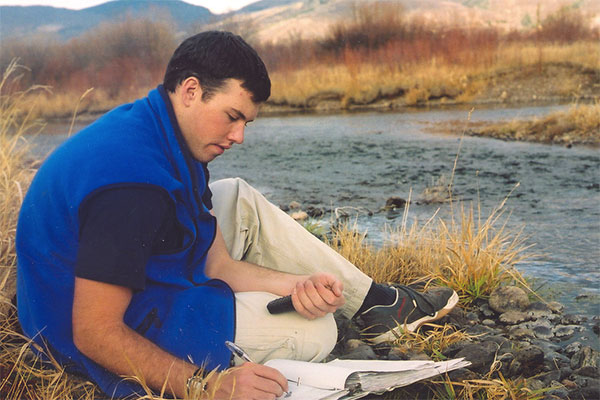
Carter
Led a group of students that worked with local and state government to protect 185 acres along the Yampa River.
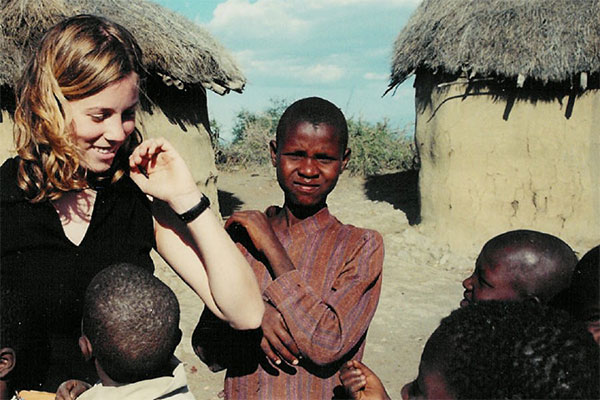
Ashley
Created AfricAid, a non-profit organization committed to helping African girls receive an education.
Mark
Organized “Skipping for Skylar,” a jump rope skip-a-thon that raised over $1,100 for a baby from his hometown in need of a heart transplant.
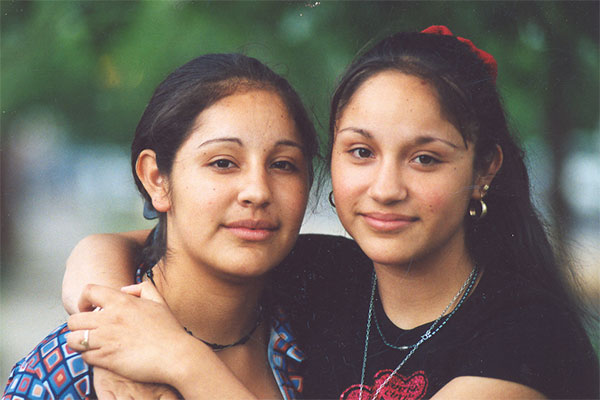
Estephania & Esperanza
Created “Project Literacy,” a neighborhood tutoring program where middle school students are helping elementary age kids improve their reading.
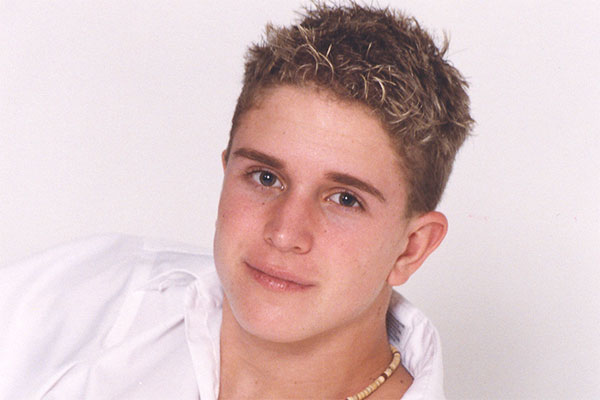
Adam
A magician who incorporates a message of breast cancer awareness his magic shows.
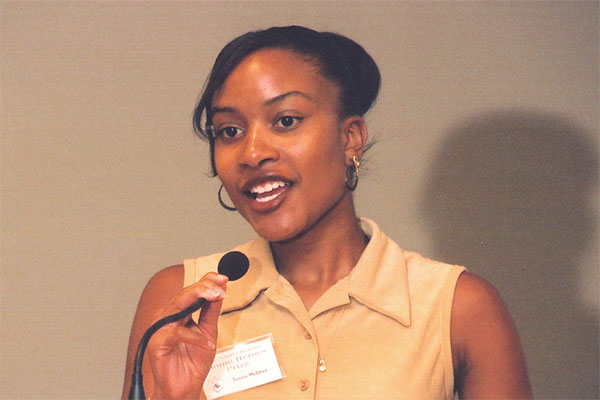
Tenise
President of L.I.F.E. (Love is Finding Everyone), a service group that helps needy families and sponsored an AIDS awareness program.

Michael
Organized a bowl-a-thon that raised over $9,000 to help local 13 year old burn victim Stephanie LeBlanc.
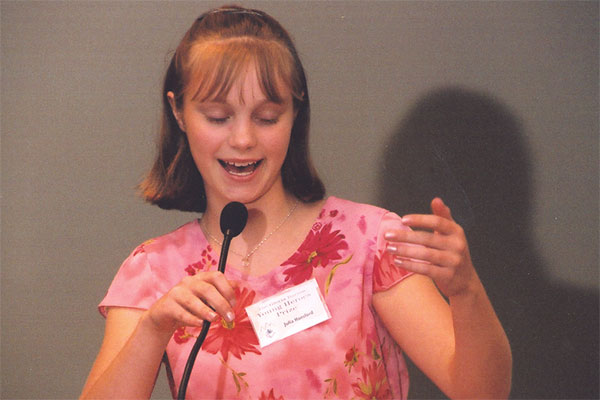
Julia
Started “Showers to Go!” which provides personal care products for needy community members.
2002 Winners
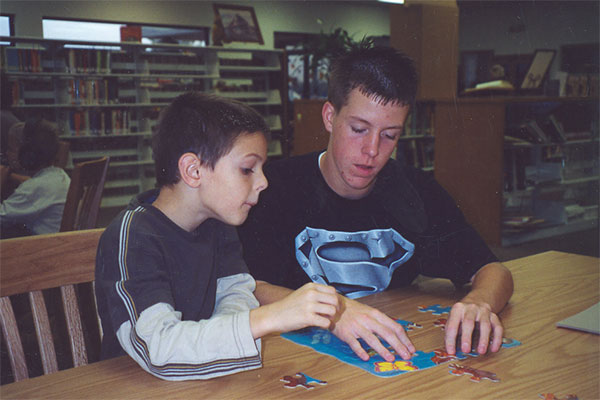
Kyle
Created Project READ (Reading Encourages All Dreams), a reading mentorship program based in his town’s public library.
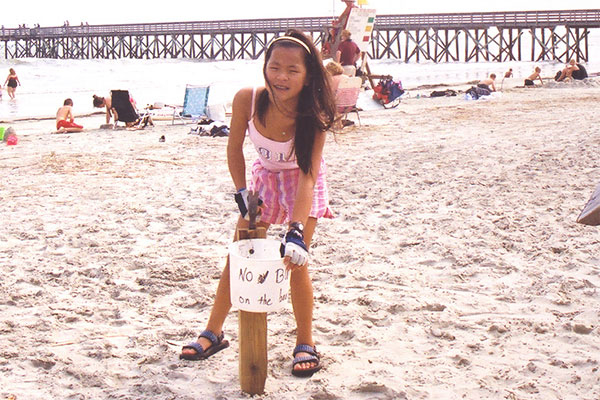
Joying
Worked to rid local beaches of cigarette butt litter through her clean-up campaign called “No Butts on the Beach.”
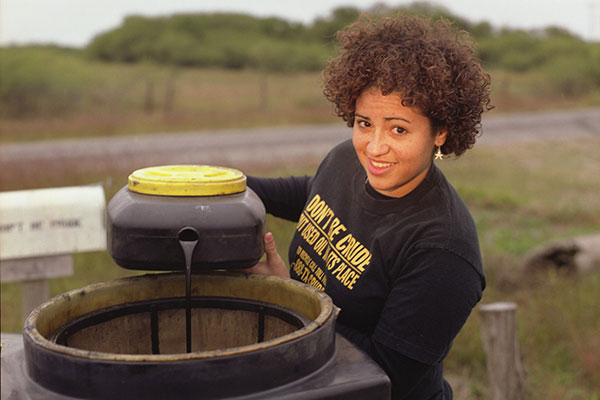
Barbara
Created the “Don’t Be Crude” motor oil recycling program in her town, a project that has expanded to seven counties.
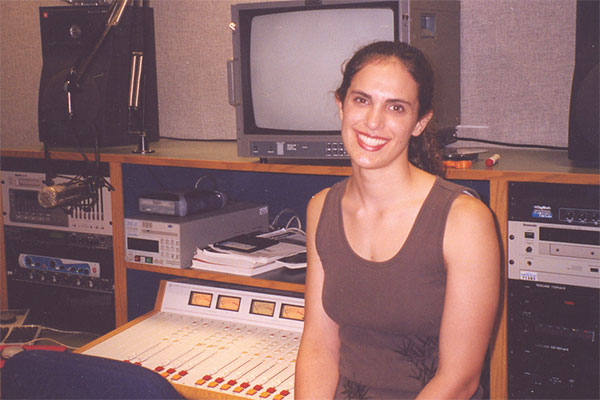
Erin
Worked to educate children and adults about controlling pests in environmentally-friendly ways.
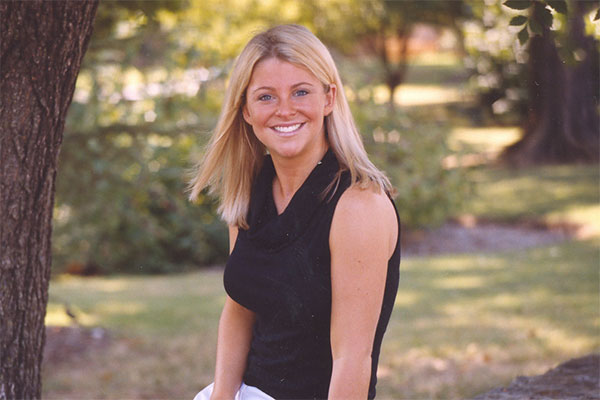
Lauren
Serves as chairperson for the Great Strides Walk for Cystic Fibrosis and has raised over $200,000 for cystic fibrosis research.

Rebecca
Organized “United We Sing,” a benefit concert that raised over $23,000 for the American Red Cross following 9/11.
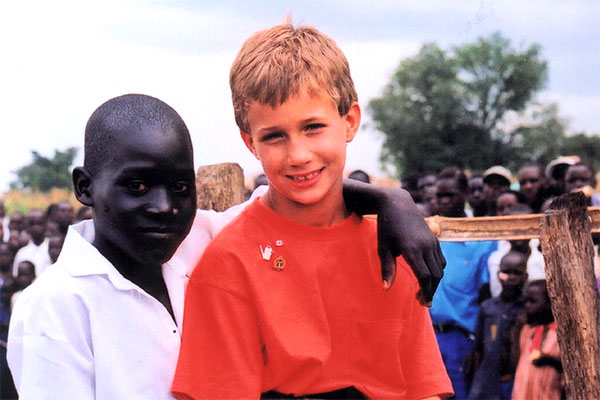
Ryan
Created Ryan’s Well Foundation, a group that has provided clean drinking water wells for African villages and raised $500,000 for the cause.
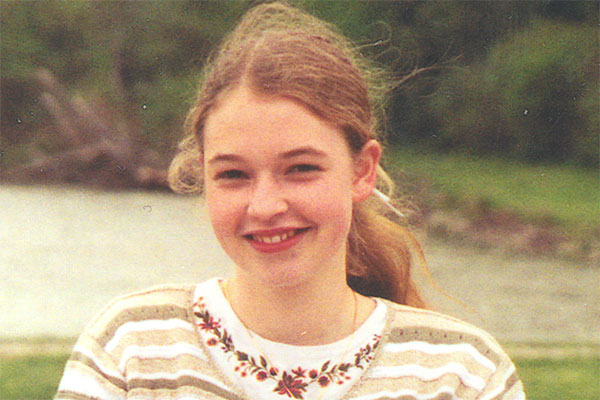
Bethany
Saved a six-acre wetland on her family farm from destruction by a multi- billion dollar petroleum company.
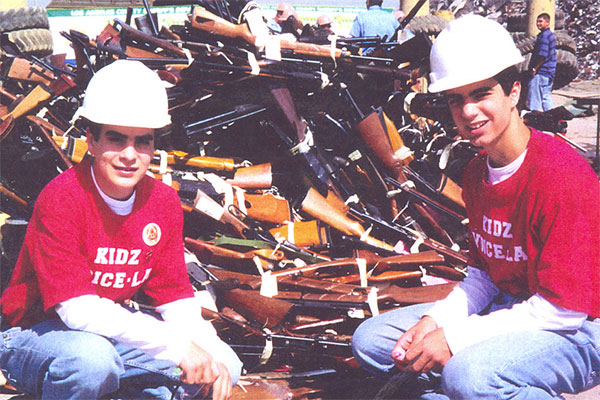
Niko & Theo
Created Kids Voice-LA and worked tirelessly to reduce gun violence in and around Los Angeles.
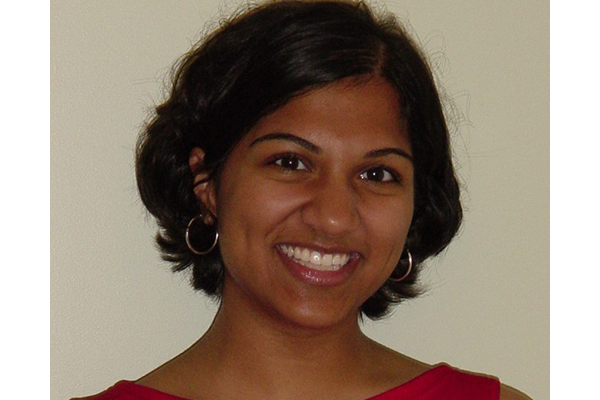
Nina
Founded American Cancer Society Teens, a network of volunteers fighting cancer through education, advocacy, fundraising, and service.
2003 Winners
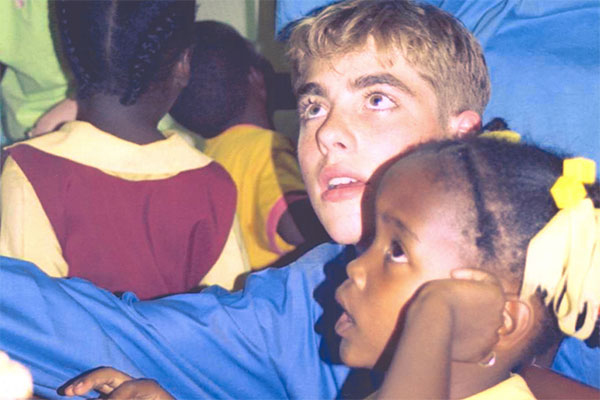
Anderson
Created “Teens for Technology,” a teen-run organization that has donated fully-equipped computer labs to 25 schools across Jamaica.
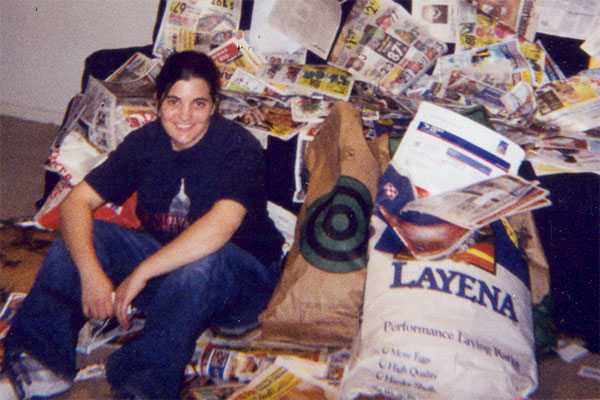
Stefanie
Created a paper recycling program in her small town and donated nearly $10,000 from the sale of the recycled paper to a library and animal shelter.
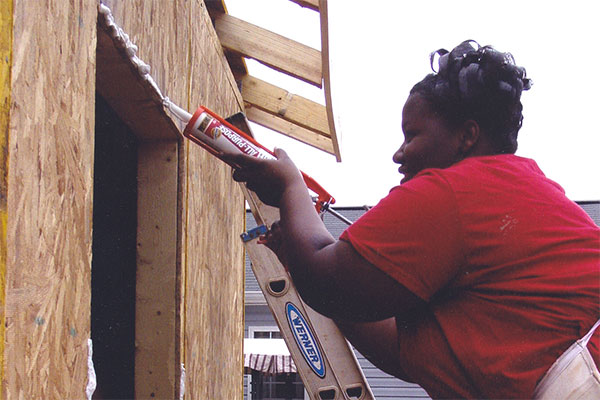
Reonda
Led her Girl Scout troop and others in building the first Habitat for Humanity house in North Carolina built entirely by women.
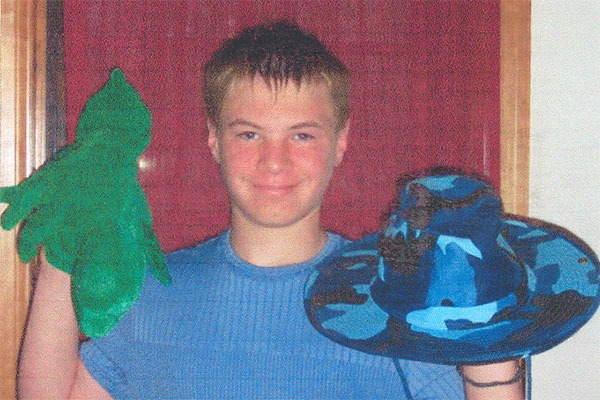
Anthony
Created “Heavenly Hats” which has provided new hats to people who have lost their hair due to various medical treatments.

Shifra
Mended clothes for clients at a soup kitchen, and started a co-ed sewing club at her school that creates pillows to donate to New York City shelters.
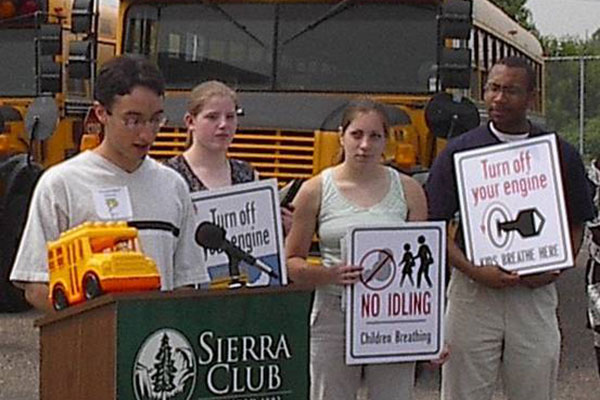
Amir
Led an air quality campaign that has resulted in a new MN state law that greatly reduces children’s exposure to diesel emissions from school buses.
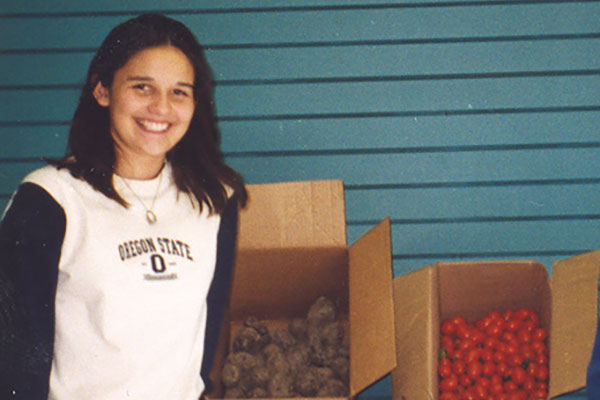
Kristen
Organized numerous gardening projects in which people have learned to garden and have donated 1,300 pounds of produce to area food banks.
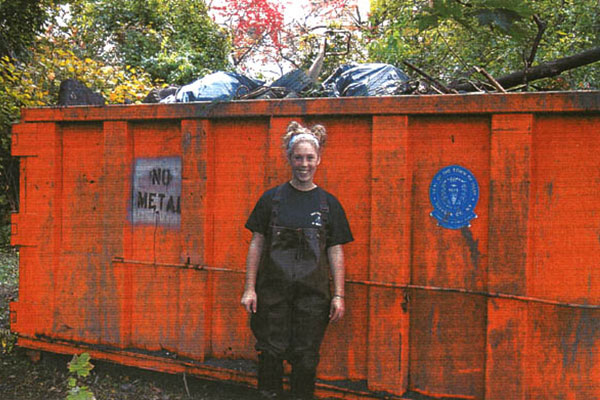
Whitney
Organized the “Stream Team” in her seaside community, leading over 50 student volunteers in cleaning up local freshwater streams.
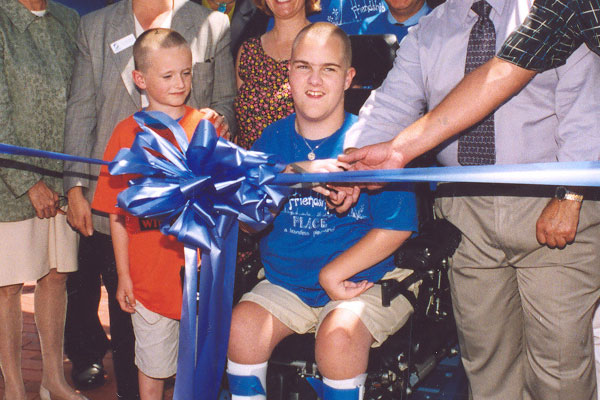
Matthew
Led a community-wide effort to raise $350,000 needed to construct a wheelchair-accessible playground in his hometown.
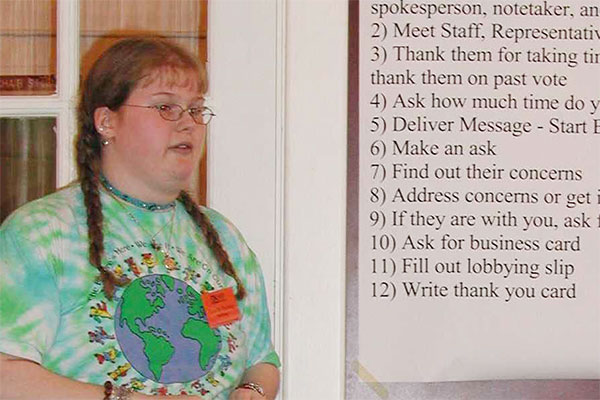
Tanielle
Served as chairperson for Alaska Youth for Environmental Action and led the effort to establish recycling programs in all of AK’s high schools.
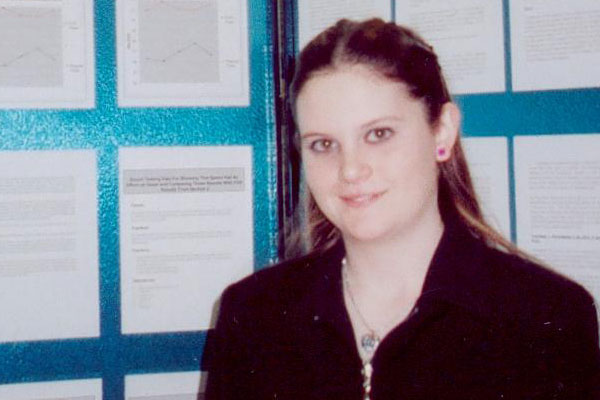
Gina
Invented a new type of road-paving material made largely from recycled plastic bottles.
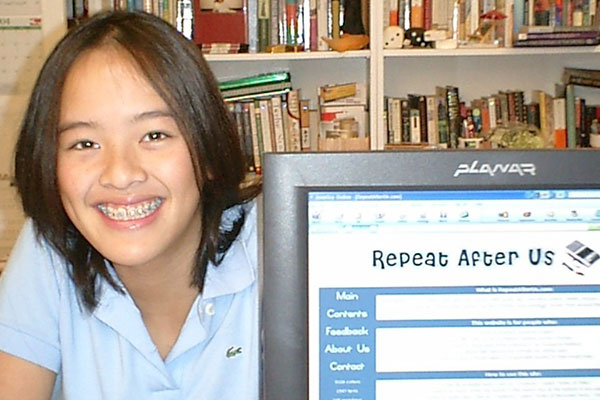
Ellie
Founded Repeat After Us which provides copyright-free literature with accompanying audio clips for people learning English as a second language.
Kevin
Founded the Sustainable Development Committee at his high school to study ways the campus could reduce energy costs.
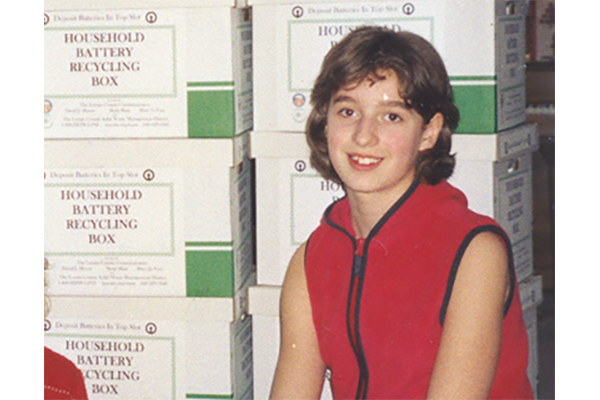
Renee
Started a battery recycling initiative in her elementary school that has grown to serve as the model for Lorain county’s battery recycling program.
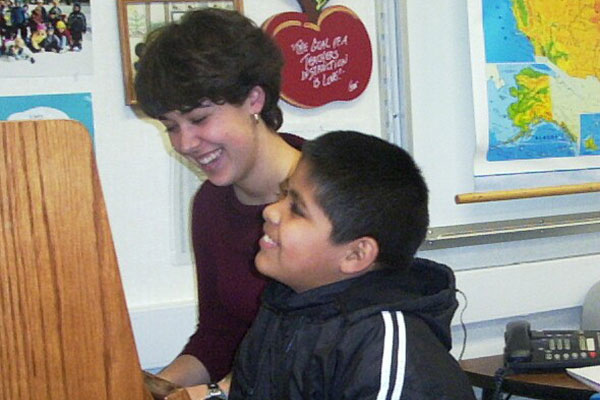
Laurel
Founded an after-school program for elementary school children whose families cannot afford private music lessons.
Emily
Designed a renewable energy system to replace the gasoline-powered one at a global warming research station located in AK.
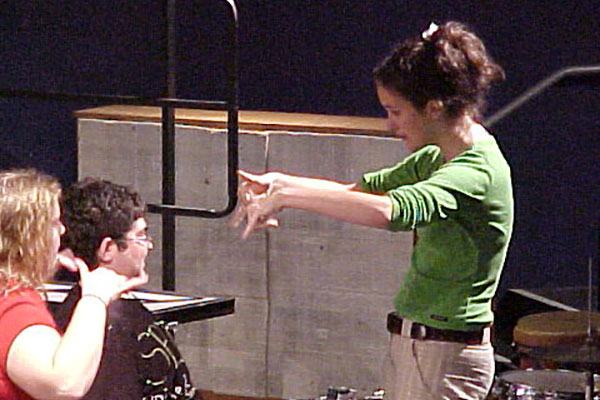
Micaela
Created Unified Theater, a non-profit program that gives students with disabilities the chance to participate in theater.
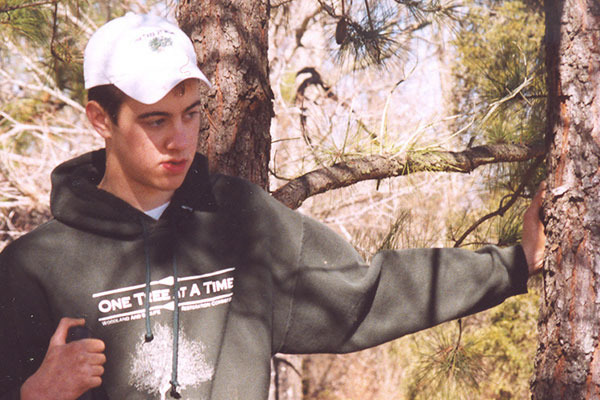
Matthew
Founded the Woodland and Wildlife Restoration Committee to address the problem of deforestation in the greater Charlotte area.
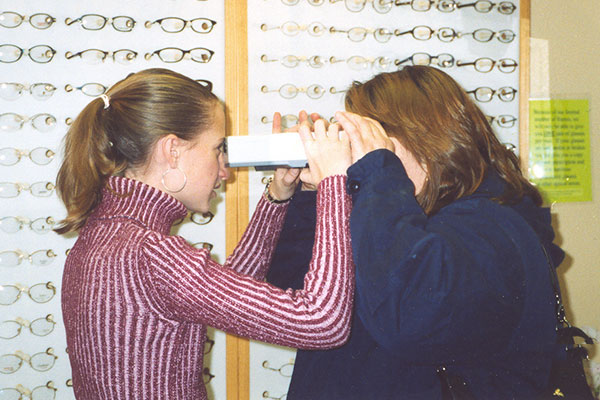
Anna
Founded a non-profit organization called Sight Angels to provide free eyeglasses to those in need.
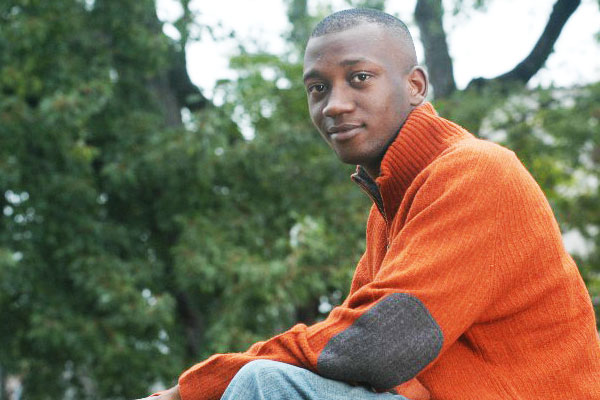
Shawn
Created Garden Angels, an organization that has transformed an abandoned, trash-filled vacant lot into a park and community garden.
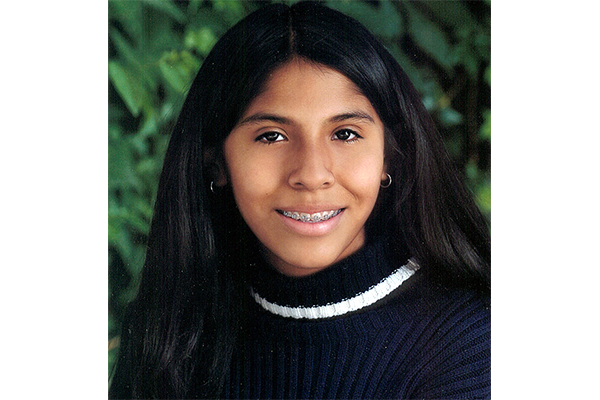
Ana
Founded Peruvian Hearts which raised $15,000 to provide tuition, food, and clothing for girls living in a Peruvian orphanage.
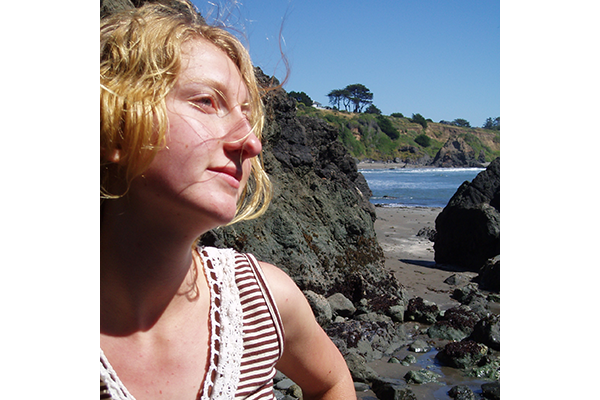
Beth
Founded the Arcata High School Conservation and Renewable Energy project (C.A.R.E.)

Claire
Created a domestic violence prevention program for elementary schools in the Chactaw Nation.
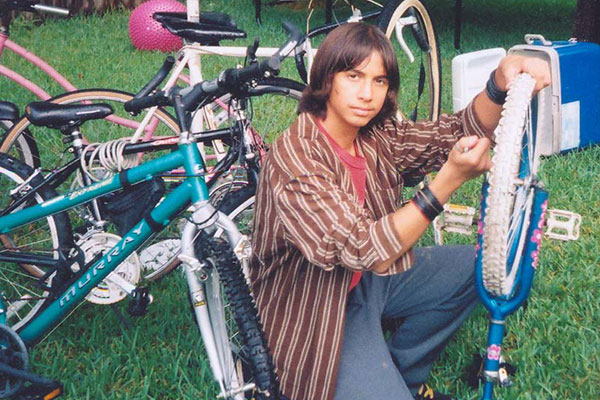
Clayton
Organizes Clayton’s Backyard Crew, a group that refurbishes bicycles for children with parents in prison.

Ebunoluwa (Ebbie)
Founded a Canal Kids group to monitor water quality in the historic Delaware Canal.

Geneva
Created a non-profit youth service organization called Bring It On! the northeast Bronx.
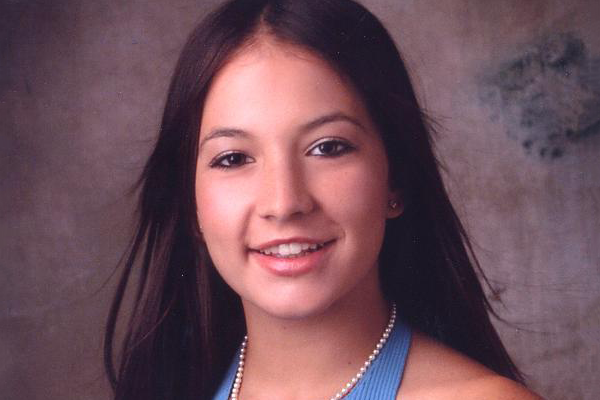
Leah
Founded smARTies, an organization that provides weekly art classes to elementary students in the Little Havana section of Miami.
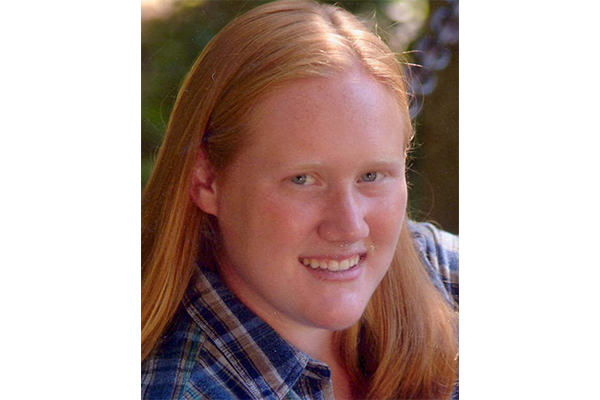
Lindsey
Founded Gardening for Families as a way to donate her garden’s abundance of produce to families in need.
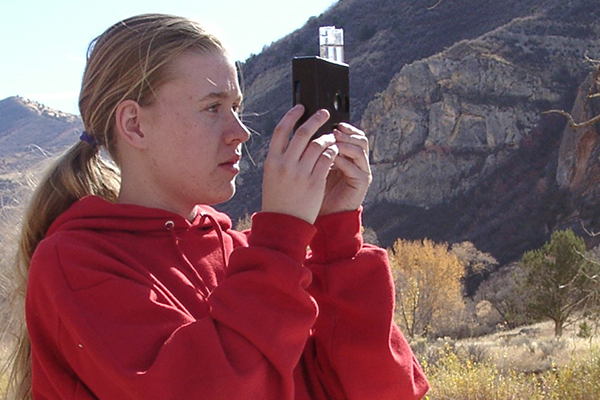
Shannon
Tackled the problems of invasive non-native species and poor water quality in the desert and rivers near her community.
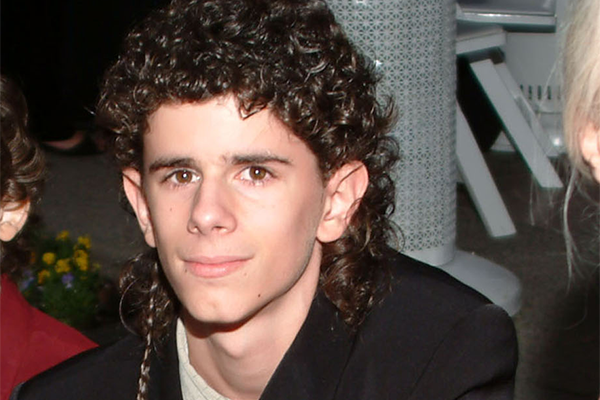
Washo
Led a group of students in improving the quality of life for primates at the Oregon Regional Primate Research Center.
Daniel
Directs Cayce’s Charities, a non-profit organization that provides a myriad of services to people living in poverty.
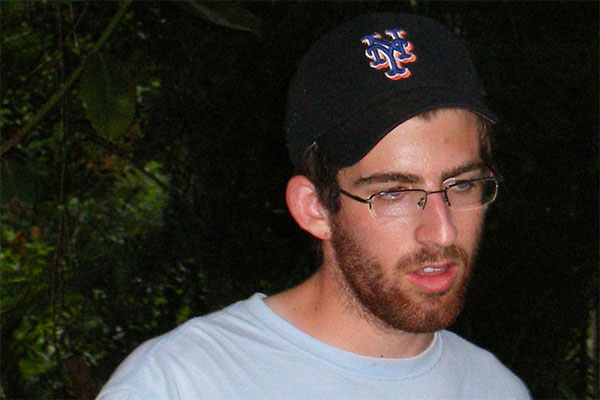
Eric
Initiated a program to teach English as a Second Language (ESL) to homeless immigrant day laborers on Long Island.
Erika & Kayla
Created the Annual Salmon Run Relay to increase awareness of the plight of the salmon and its importance to native tribes of Northern California.
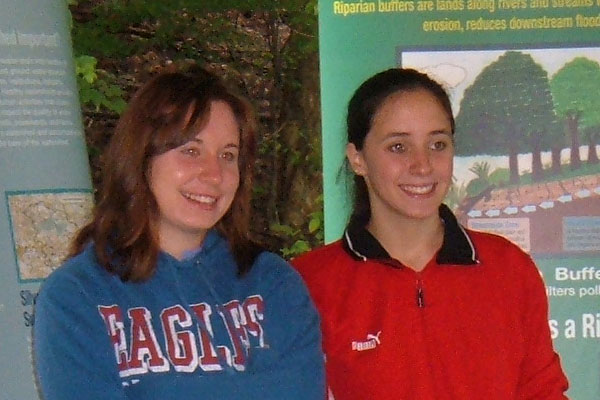
Evin & Angela
Co-founded Save Our Stream, a group that educates the public about the threatened native Ohio brook trout and works to preserve its habitat.

Kennedy
Raised over $36,000 for various medical charities through her Kisses for Kaeden project.
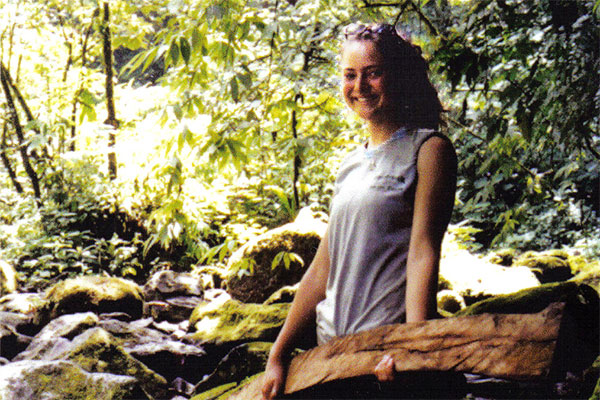
Phebe
Founded Change the World Kids, a non-profit group that has raised over $100,000 to protect nearly fifty acres of critical rain forest habitat in Costa Rica.
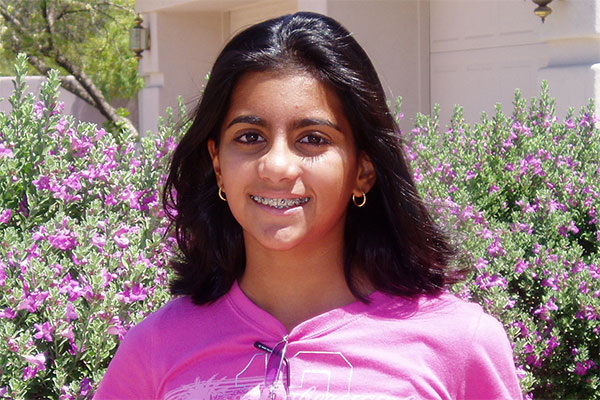
Smitha
Founded Arizona Activists Karing for the Environment (AWAKE), a group of students that educates others about water pollution and conservation.

Talia
Organized Trick or Treat for the Levee Catastrophe (T.L.C.), which raised over five million dollars for victims of Hurricane Katrina.
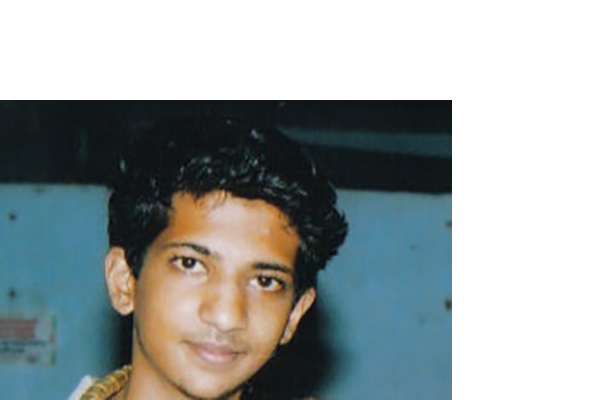
Vasanth
Worked to improve the educational opportunities and facilities students at a school in India.
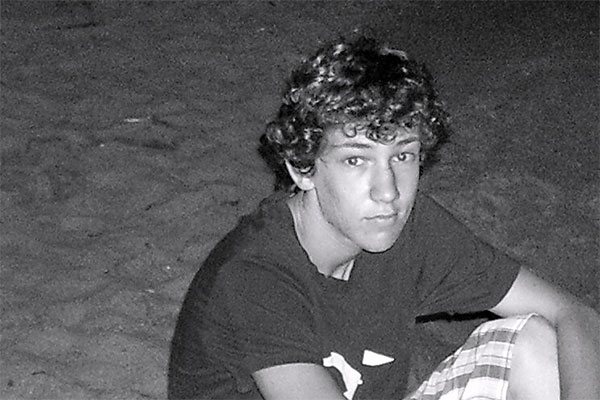
Zander
Works tirelessly to save endangered loggerhead sea turtles from extinction.
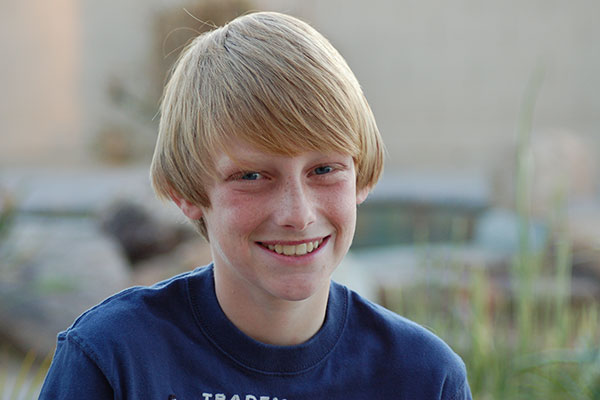
Austin
Founded Hoops of Hope, an annual basketball shoot-a-thon to raise money to help children in Africa orphaned by AIDS.
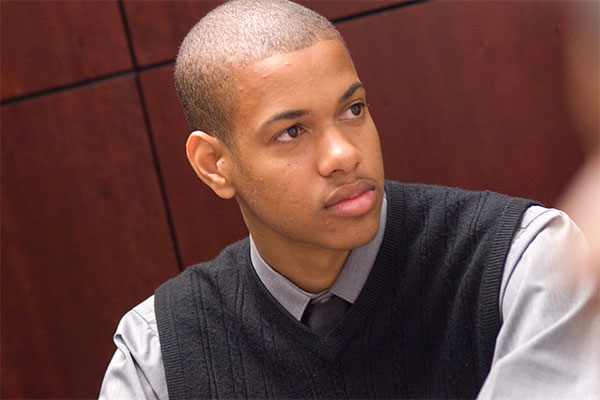
Chad
Led a campaign to have Kool Mixx cigarettes – marketed almost exclusively to teens – pulled from shelves nationwide.
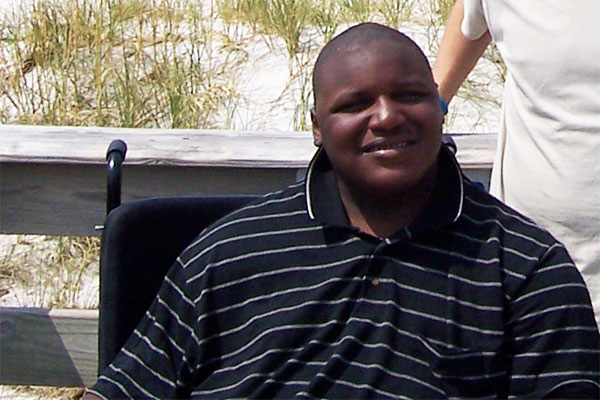
Darius
Created a 90-minute documentary film to raise awareness of and money toward a cure for Duchenne Muscular Dystrophy (DMD).
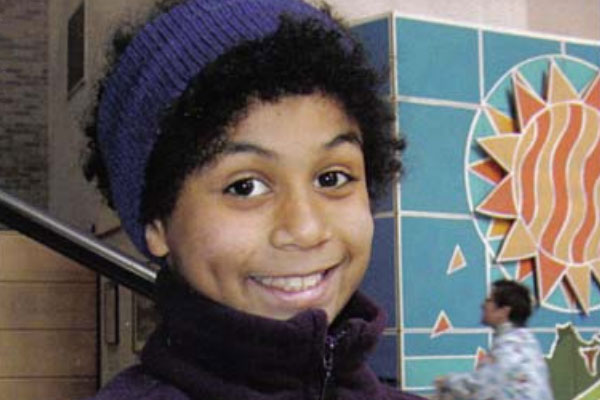
Evan
Formed the Red Dragons Conservation Team to encourage children to become stewards of nature protecting rainforests and coral reefs.
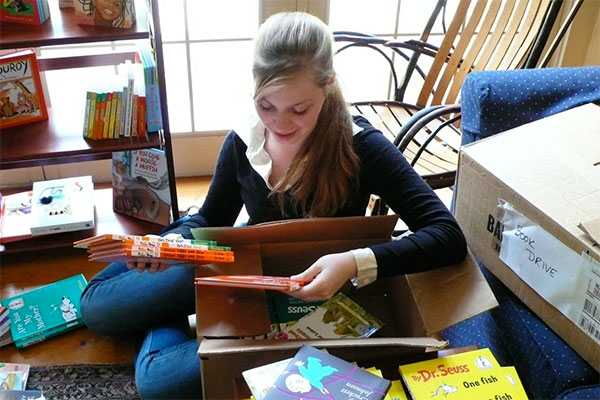
Jane
Created A Book for Mom, a program that has provided over 9,000 new books to incarcerated parents to share with their children during prison visits.
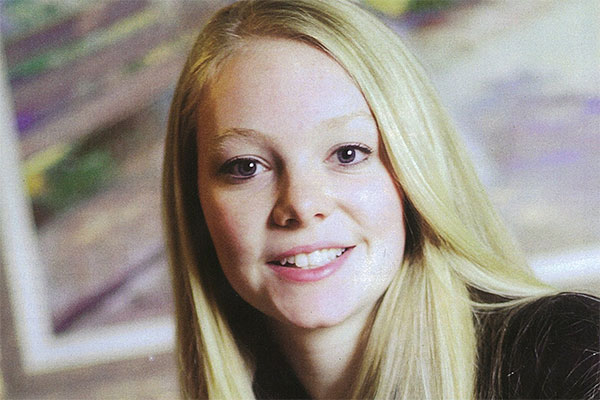
Kayla
Created a music-based teaching system called Sounds into Syllables that helps autistic children communicate and develop social skills.
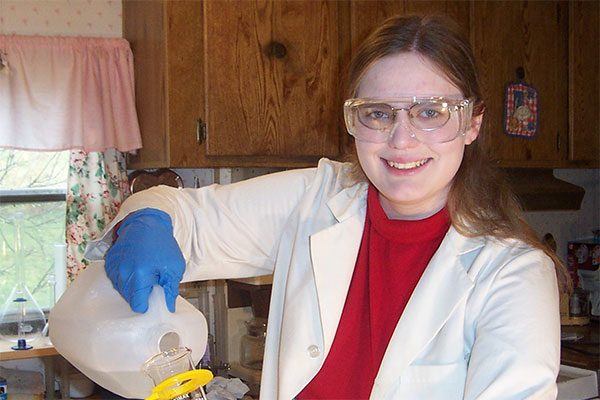
Kelydra
Invented a test that removes a potential carcinogen from contaminated drinking water in her hometown along the Ohio River.
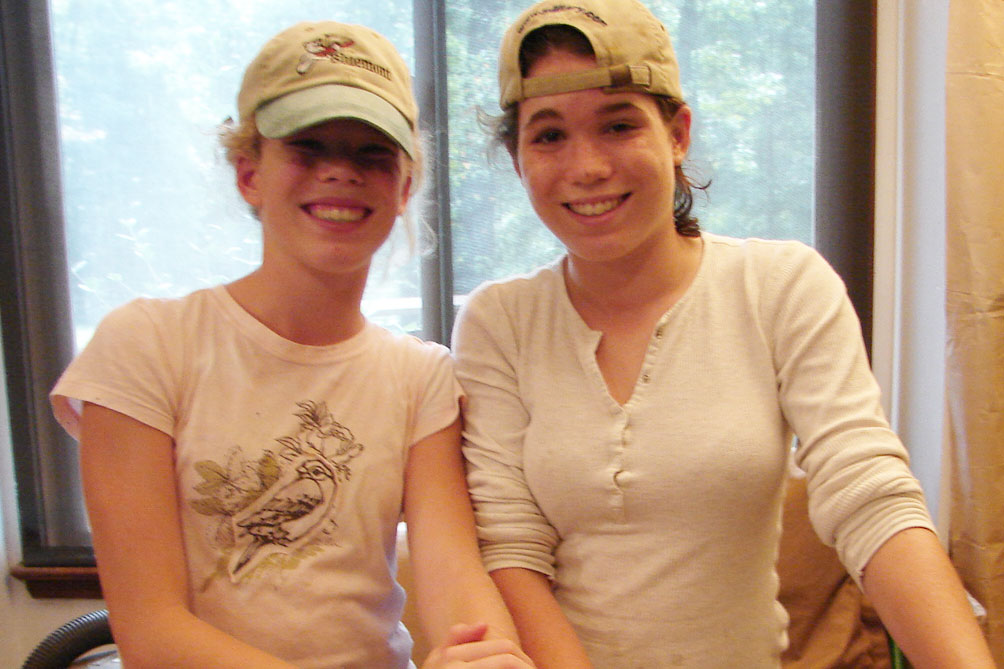
Molly & Carley
Founded Hives for Lives, an organization that sells honey and honey products, and donates all profits to the American Cancer Society.
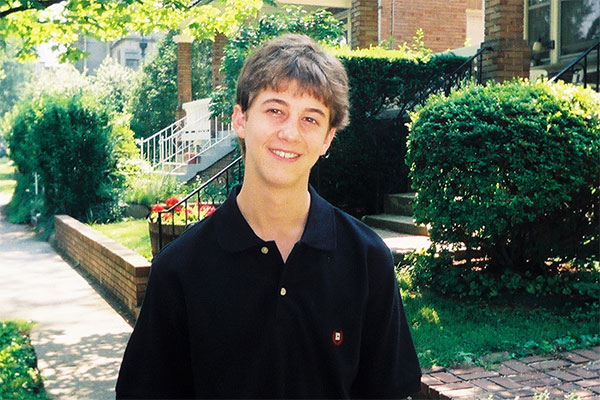
Nick
Developed Stop e-Waste in D.C., a program that has recycled more than 40,000 pounds of computers, printers, cell phones, and other electronics.
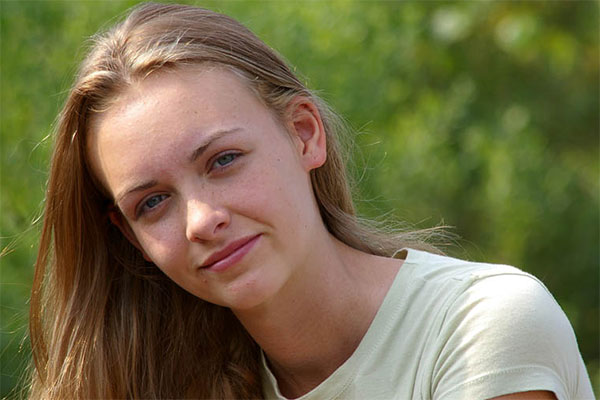
Savannah
Founded Pump ’em Up, a non-profit organization that encourages drivers to conserve gas by properly inflating their tires.
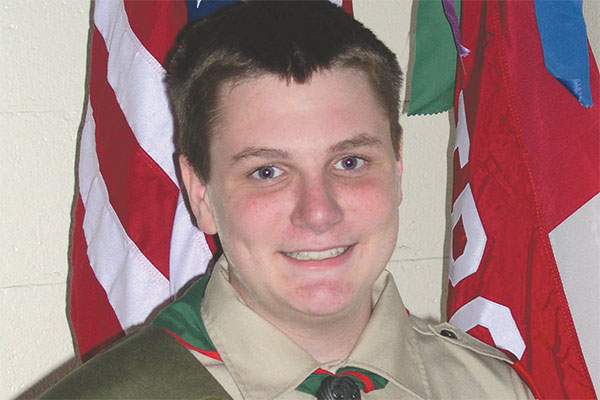
Michael
Created Get the Lead Out of Fishing to educate fishermen about the dangers of using lead weights, and to help them exchange their lead weights.

Phoebe
Started the Magic Yeti Library in Nepal, first in a series of children’s libraries opened for the Himalayan region.
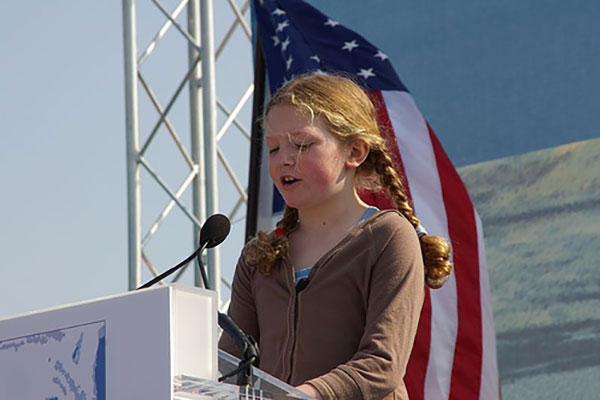
Mollie
Created her own blog and letter-writing campaign as a way to help polar bears gain protection on the Endangered Species list.
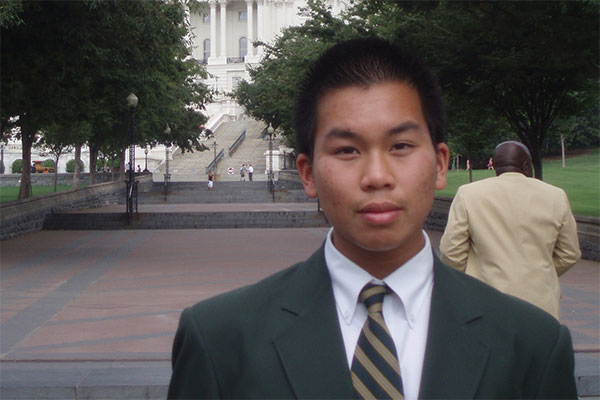
Paul
Founded BUDDY, a peer tutoring and mentorship program that has helped more than 5,000 low-income students struggling in math and science.
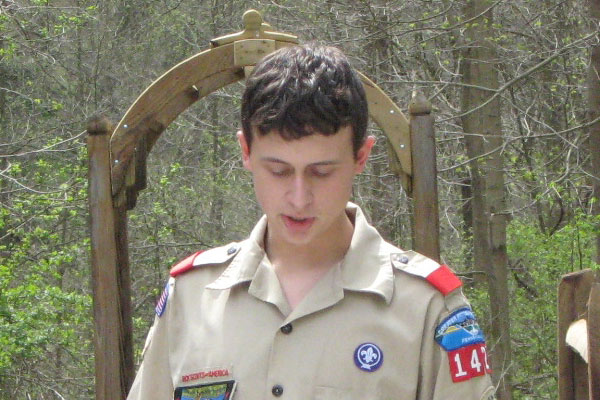
William
Organized the community clean-up of a large-scale illegal dumping site and transformed it into an informative nature trail.
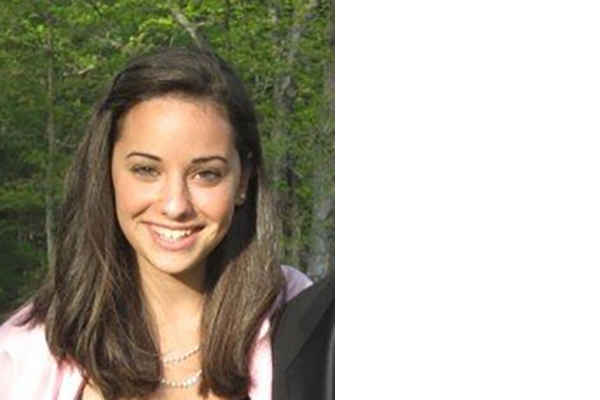
Zoe
Created Teens Connecting Continents, and raised over $15,000 to support education and recreation for more than 2,500 children in Rwanda.
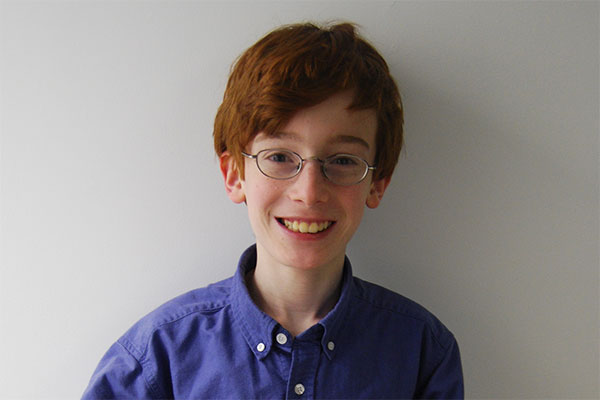
Colin
Founded the Cool Coventry Club as a way to increase awareness of global warming in his small rural town.
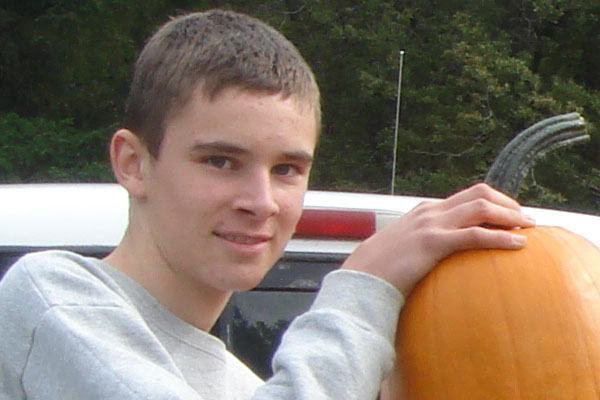
Forrest
Organized the Pumpkin Project, a gardening initiative in which young students grew and sold pumpkins, raising $2,500 for the local food bank.
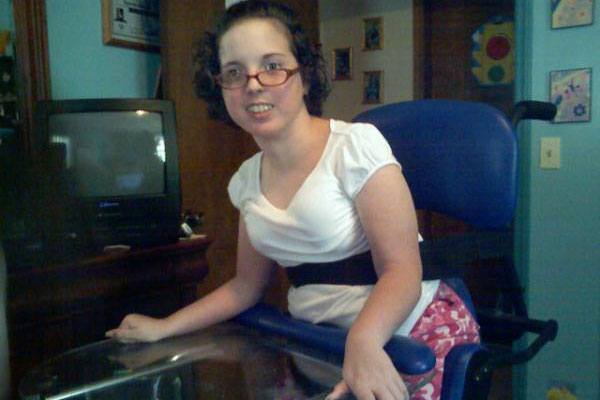
Suzie
Created Suzie’s Closet as a way to loan medical equipment to families whose children have special needs.
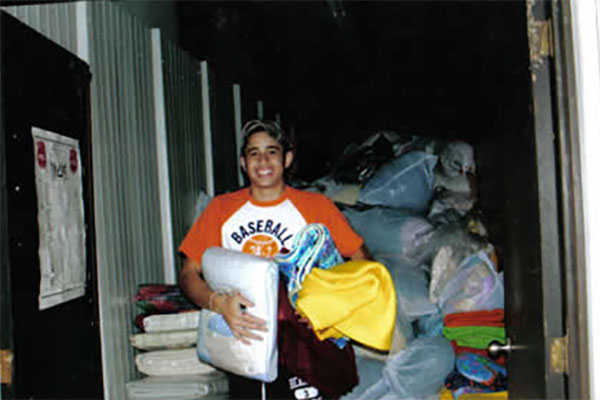
Daniel
Founded First-VM, an organization that offers computer and technical support in exchange for donations toward relief for Lebanese refugees.
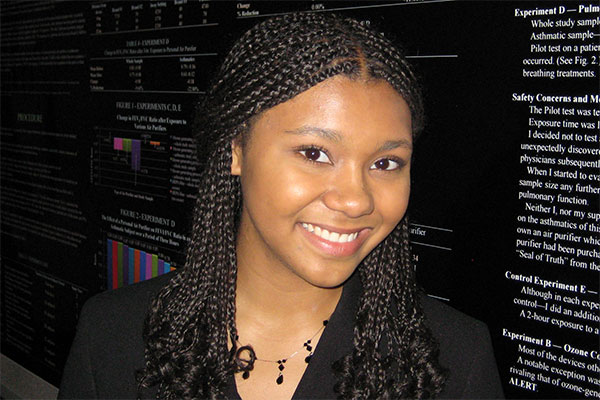
Otana
Conducted research on the effects of ozone emitted from some air purifiers and ultimately helped ban the sale of these devices in California.
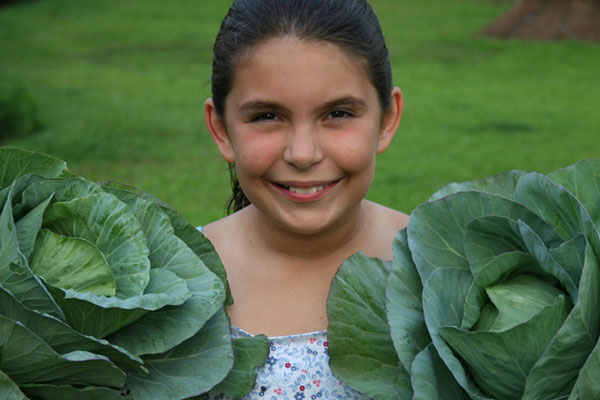
Katie
Rallied hundreds of community members to assist her in creating several large-scale vegetable gardens in order to help feed the hungry.
Alex
Founded NY2NO, a group that organized trips for students from different NYC high schools to volunteer in the Lower Ninth Ward of New Orleans.
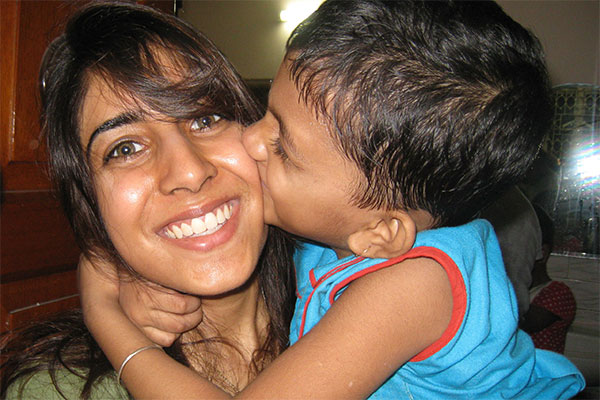
Sejal
Founded Girls Helping Girls, a non-profit organization that trains girls around the world to become problem solvers in their communities.
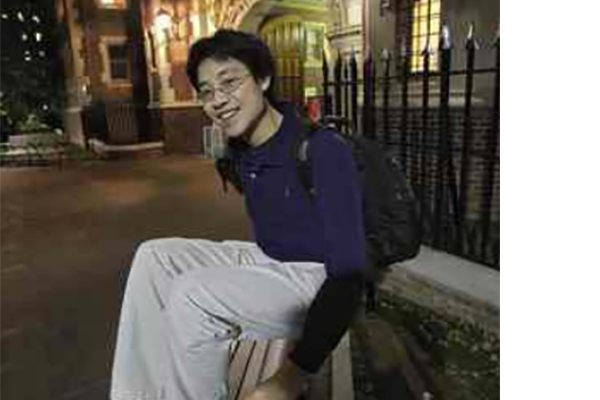
Jonathan
Founded Helping Hunger, an organization that rescues food from caterers and restaurants and transports it to soup kitchens and homeless shelters.
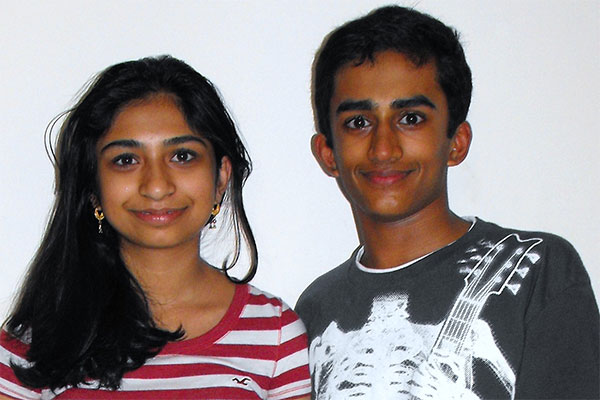
Adarsha & Apoova
Co-founded Project Jatropha to promote the use of the Jatropha plant as an eco-friendly and sustainable source of biofuel in rural India.

Emily
Founded the Need To Read Book Club (NTRBC), a group of reading enthusiasts that has raised money to buy and distribute new children’s books.
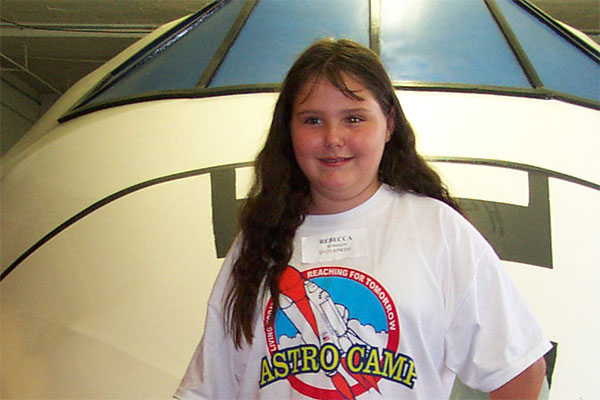
Becca
Founded AstroTots Space Camp for Little Dippers, a free science camp for disadvantaged girls that is offered across the U.S. and around the world.
Rachel
Author of a book profiling non-Jews who rescued Jews during the Holocaust. Through book sales, she raised money to help support elderly rescuers.

Sujay
Invented a technique using genetically-modified bacteria to convert cellulose into ethanol at a fraction of its current cost.
Erich
Developed a biodiesel production facility at his high school that converts used vegetable oil into fuel that powers the school’s lawn equipment.
Jaclyn
Created Friends of Jaclyn to pair children fighting brain cancer with athletic teams that provide support and encouragement.

Cole
Turned a second-grade homework assignment into a large-scale environmental action campaign involving his entire elementary school.
Chloe
Formed the Climate Action Club at her high school to help residents of her rural town fight global warming.
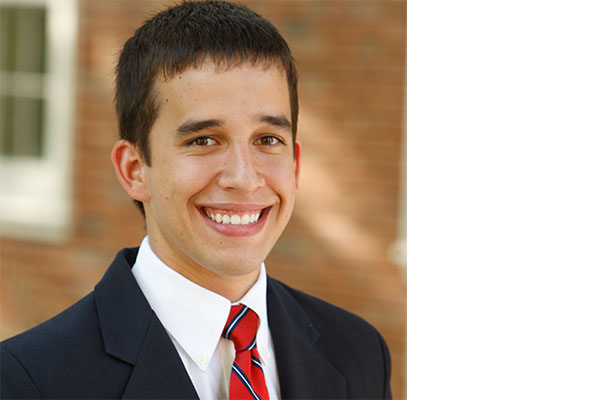
David
Founded Job-Link Racine to connect homeless and low-income teens with part-time job opportunities.
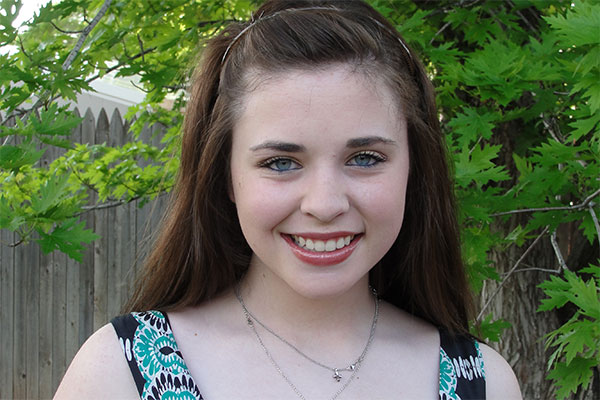
Sarah
Designed and built a carbon neutral environmental education center, and constructed it entirely from green, earth-friendly materials.
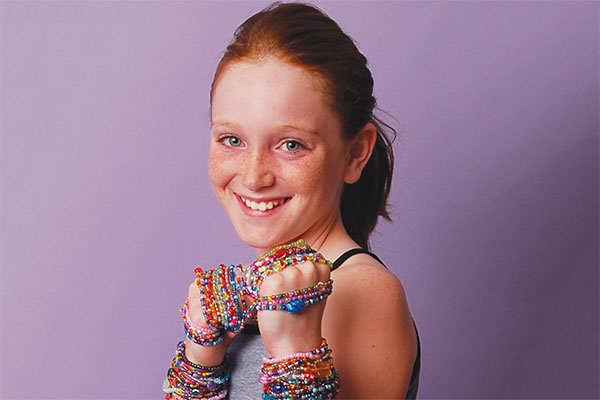
Michala
Created “Beading to Beat Autism,” a program that has raised over $300,000 for autism treatment and research in the past few years.
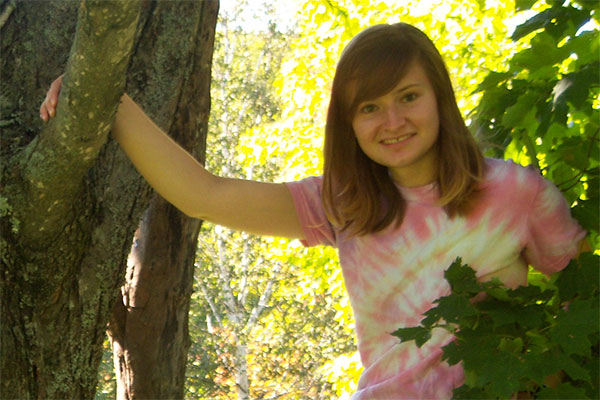
Heidi
Founded a free magazine to educate residents in her rural Vermont town about important environmental and humanitarian issues.
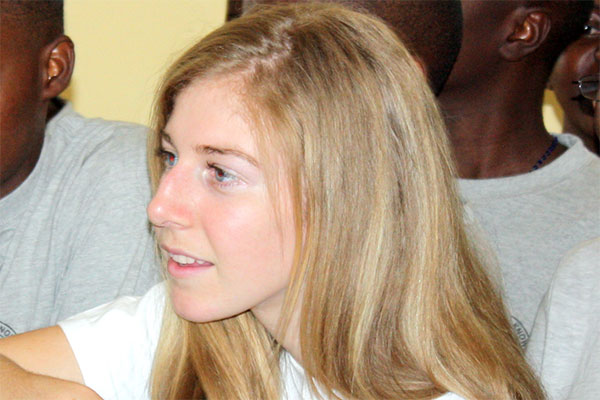
Shannon
Founded Shannon’s After-School Reading Exchange (SHARE) to educate and empower girls ages 10-17 in Tanzania.
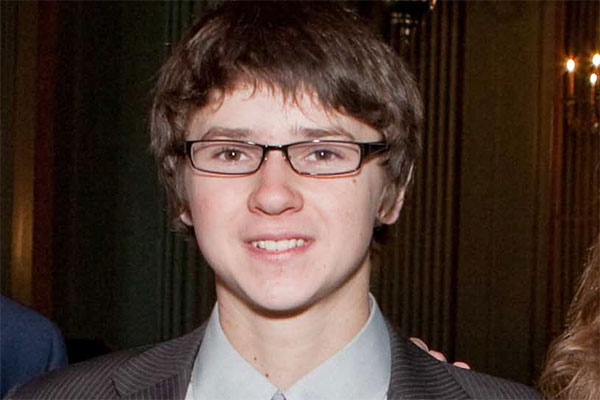
Alec
Founded Kids vs Global Warming as a way to educate his peers about climate change and to rally them to action.
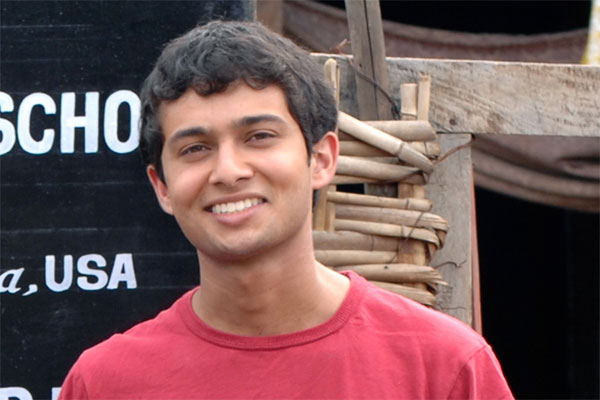
Rujul – Drinking Water for India
Rujul founded Drinking Water for India, a non-profit group that has built 34 wells in rural India, bringing clean water to over 55,000 villagers.
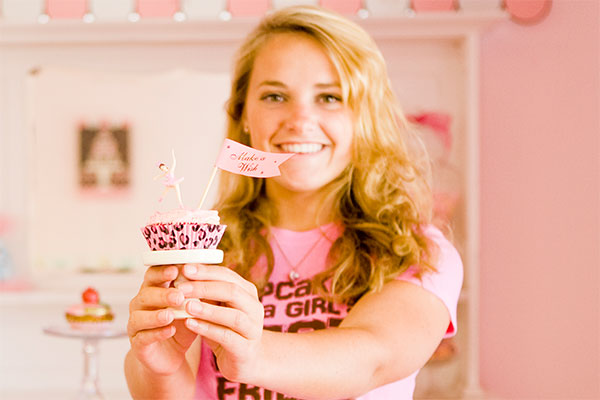
Blakely – Cupcakes for Cancer
Blakely started Cupcakes for Cancer, an organization that bakes and sells $1.00 cupcakes to raise money to help kids with cancer.
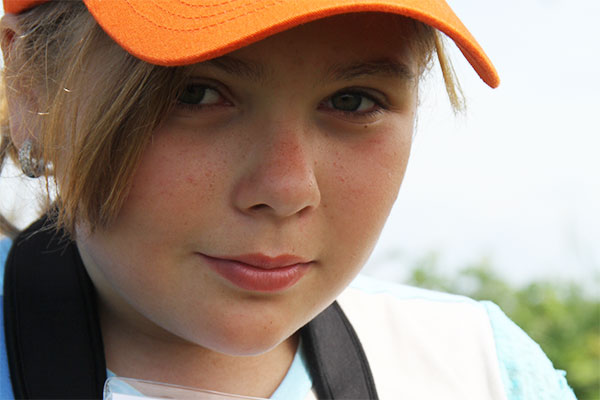
Olivia – Sold Artwork to Support Wildlife
Olivia raised more than $200,000 for the Audubon Society and other groups working on the BP oil spill recovery efforts via artwork she created and sold.
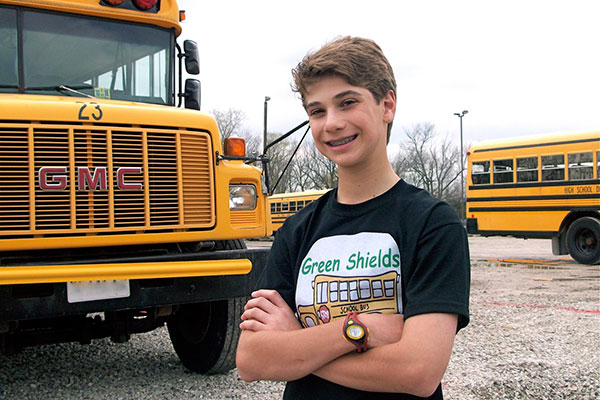
Jonny – GreenShields
Jonny invented GreenShields, a polycarbonate shield that attaches to the front of school buses, making them more aerodynamic and fuel efficient.
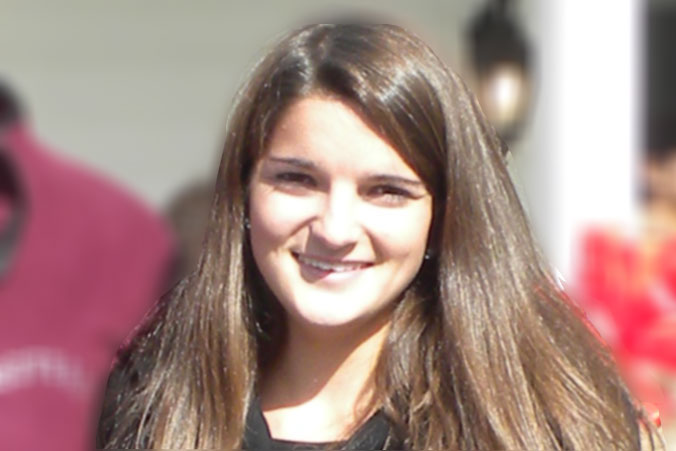
Christina – Butterfly Boutique
Christina helped created the Butterfly Boutique at a treatment facility that provides drug and alcohol rehabilitation to low-income women.
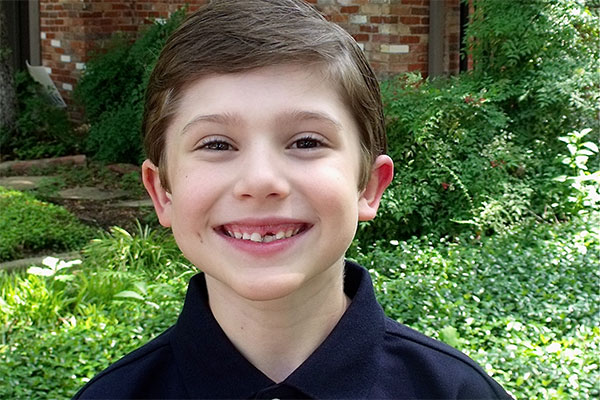
Will – FROGS
Will created FROGS, Friends Reaching Our Goals, a group of eleven 8-year-old boys who are raising awareness and money for the hungry in their community.
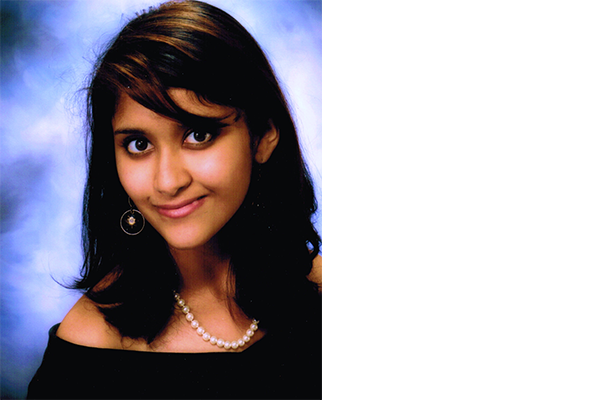
Manasvi – LIVEbeyond Foundation
Manasvi founded the LIVEbeyond Foundation to educate and recruit bone marrow and cord blood donors.
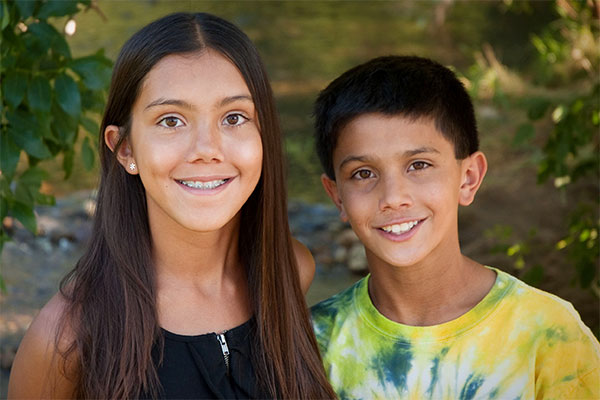
Christina & Eric – Radon Awareness Project
Christina and Eric created the Radon Awareness Project (RAP) to educate the public about the dangers of radon and the importance of testing for it.
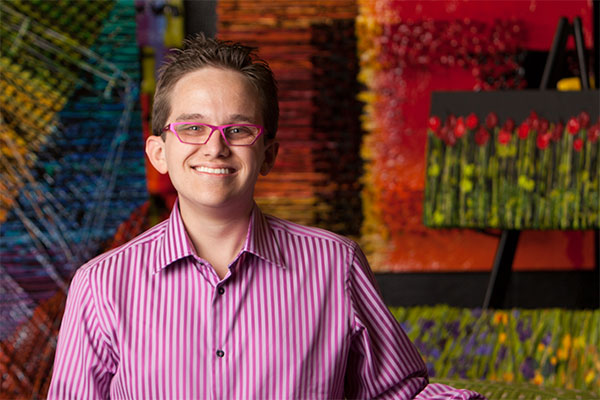
Jeff – Artwork Benefiting Charities
Jeff’s original artwork has generated over $355,000 charities around the world, including the Children’s Tumor Foundation & Elton John AIDS Foundation.
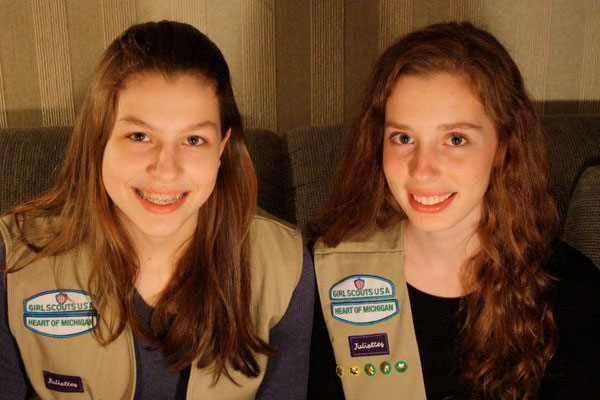
Madison & Rhiannon – Project ORANGS
Madison and Rhiannon worked to save the endangered orangutan. They successfully lobbied Girl Scouts to remove palm oil from Girl Scout cookies.
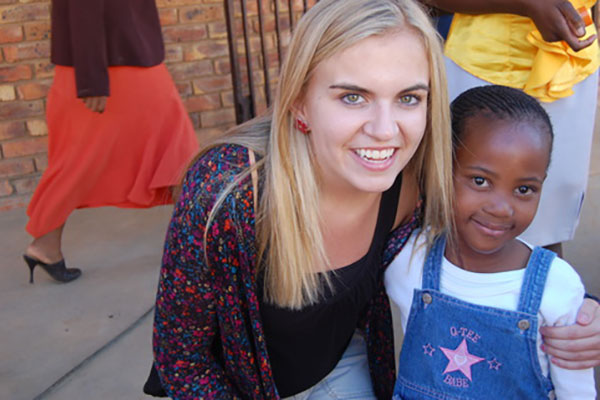
Kendall – Kids Caring 4 Kids
Kendall founded Kids Caring 4 Kids (KC4K), a non-profit that has inspired nearly 7,000 U.S. kids to raise nearly $900,000 for children in sub-Saharan Africa.
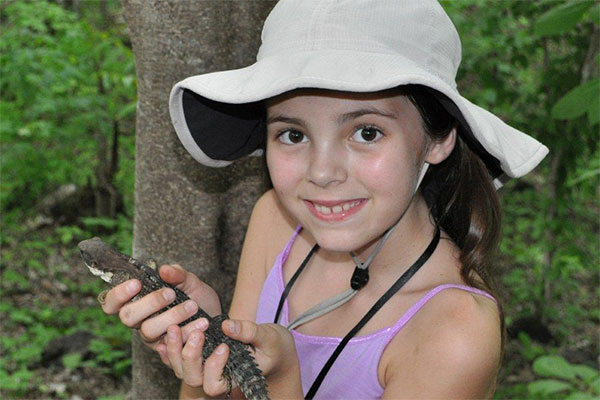
Avalon – Conserve it Forward
Through Conserve it Forward, Avalon shared her passion for protecting frogs and inspired other kids to take care of the natural world.
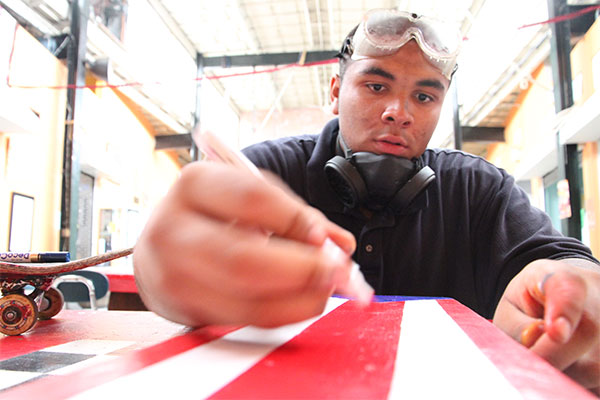
Victor – EcoRyders
EcoRyders was a program for teens that promoted environmental justice and community activism through workshops, discussions, and skateboard design.
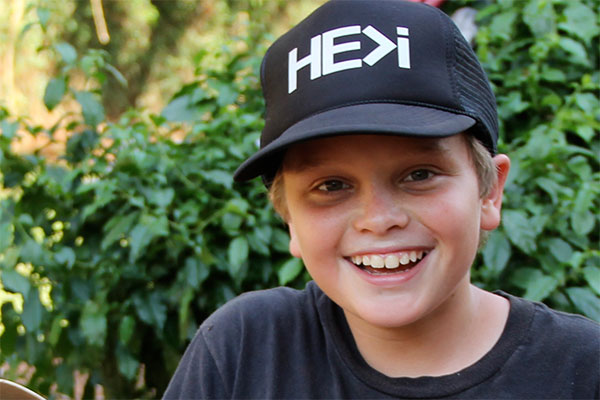
Jackson – Dream of a Better World
Dream of a Better World raised over $105,000 to build a permanent home for children living with HIV at an orphanage in Uganda.
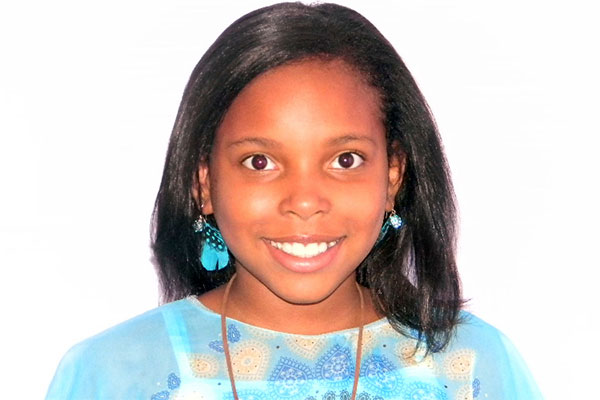
Brooklyn – Earth Saver Girl
As Earth Saver Girl, Brooklyn taught and provided resources to elementary students to support them in working to save the planet.
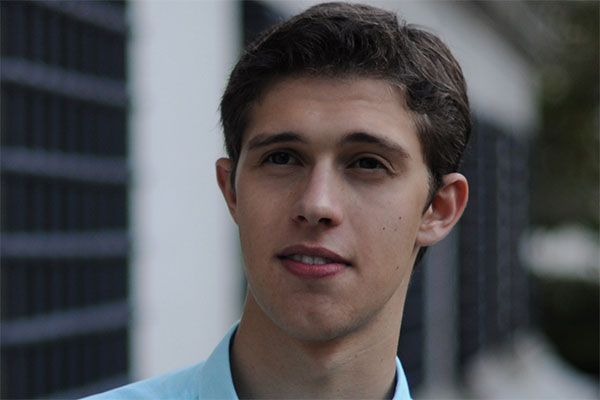
Ben – Lit! Project
Ben’s project provided safe, cost-effective solar lanterns to improve the lives of 11,300 people living without electricity in the developing world.
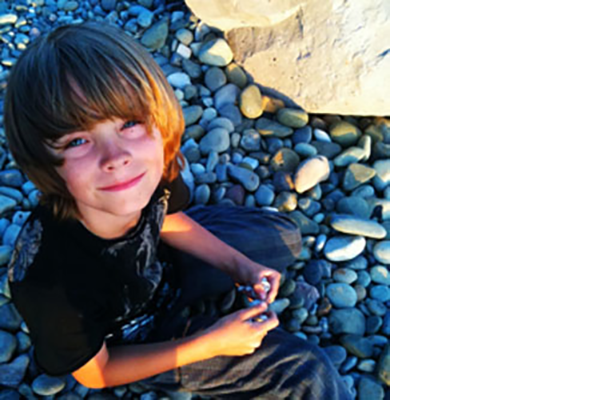
Wyatt – Conservationist
Wyatt combined his love of the ocean with his passion for creating art to raise more than $5,000 for ocean conservation causes.

Max – PuzzlestoRemember
PuzzlesToRemember distributed over 14,600 new jigsaw puzzles free of charge to facilities that care for Alzheimer’s and dementia patients.
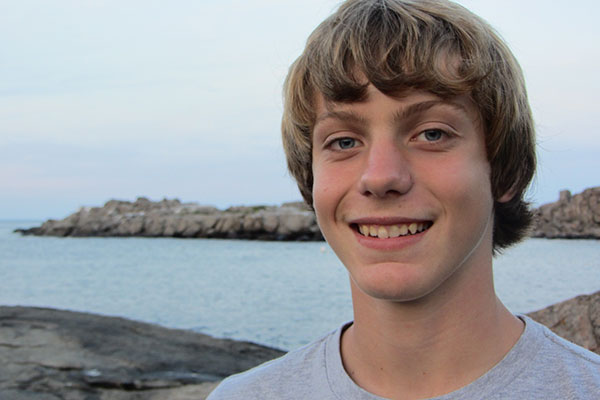
Devin – Take Back the Tap
Take Back the Tap greatly reduced the amount of bottled water used at events in Devin’s community.
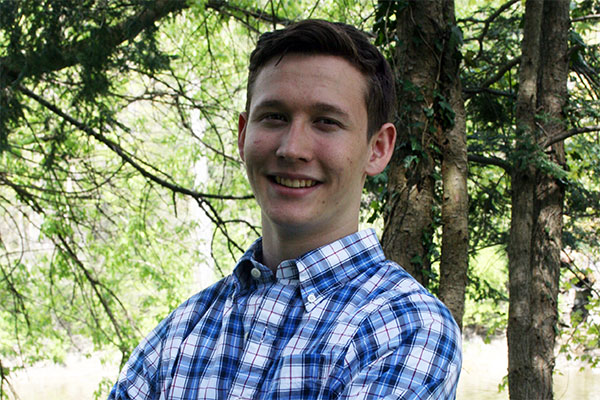
Clay – WET (Wetlands Education Team)
WET received grants and donated materials to educate students about the importance of wetlands and how they can protect them.
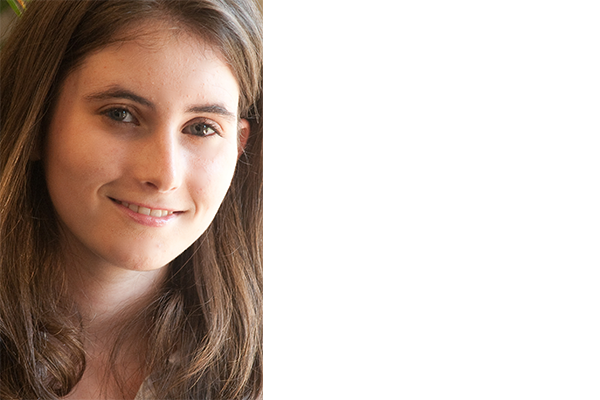
Sophia – Seedling Project
The Seedling Project was a gardening initiative at Sophia’s school that provided produce for the cafeteria and an outdoor classroom for students.
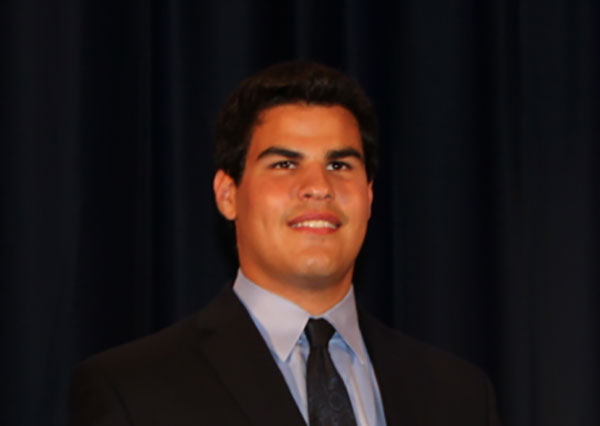
Zach – SNAP
SNAP (Special Needs Athletic and Awareness Programs) helped give over 150 special needs kids the chance to play sports each week.
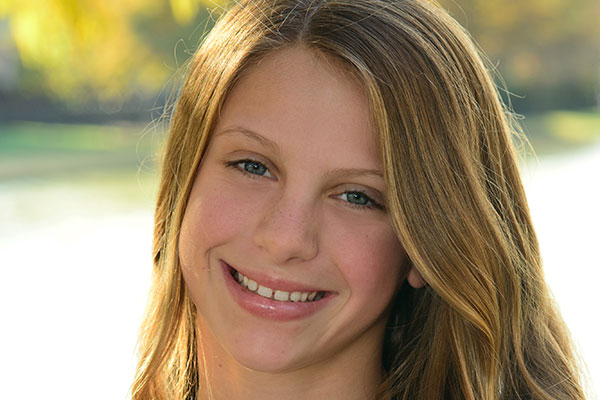
Ariana – Team Ariana
Ariana formed Team Ariana as a way to combine her passions for racing triathlons and helping homeless children.

Cassie – Raised Money to Fund Reforestation
Cassie has raised money to fund the planting of over 7,800 trees in areas of the world in desperate need of reforestation.
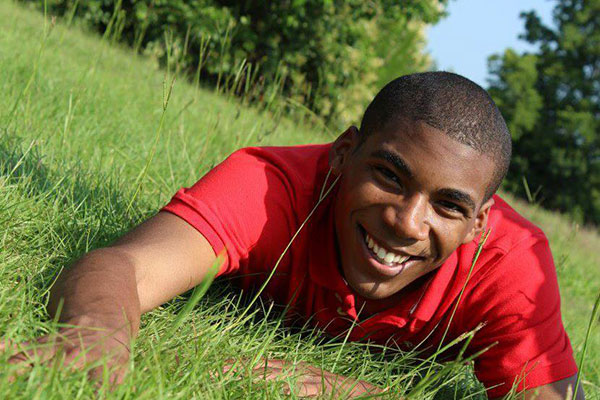
Charles – Greening Forward
Charles founded Greening Forward to provide grants, networking, and mentoring to young environmental leaders.
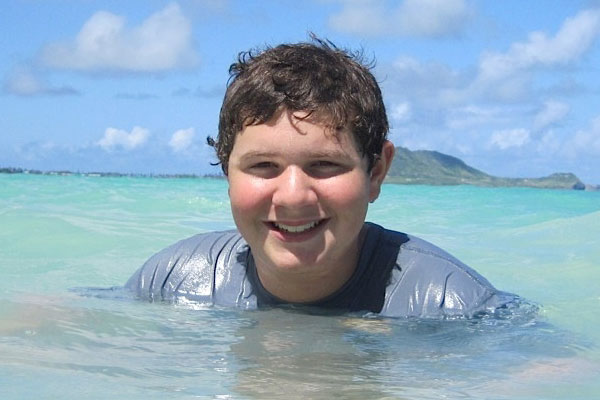
Dylan – ReefQuest
Dylan founded ReefQuest, an environmental conservation and education initiative committed to protecting the world’s oceans and coral reefs.
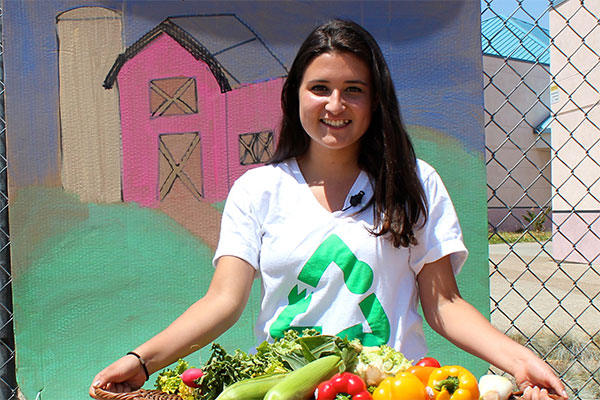
Gabrielle – Donate Don’t Dump
Gabrielle created Donate Don’t Dump to get surplus and short-dated food from grocers, growers, and food companies donated to the hungry.

Isabelle – Paper for Water
Isabelle has raised nearly $175,000 to fund water wells in developing countries by creating and selling handmade origami ornaments.
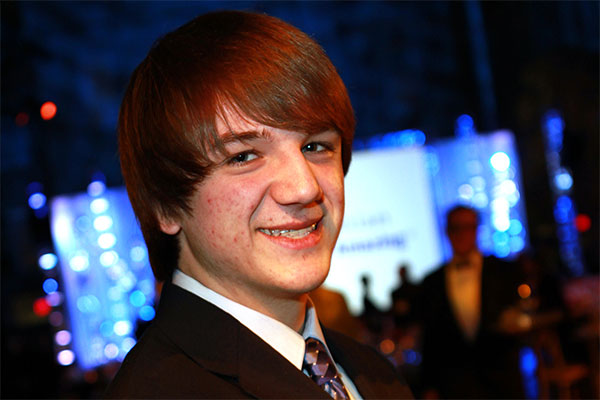
Jack – Young Inventor
Jack has invented an inexpensive dipstick-like sensor for the rapid and early detection of pancreatic, ovarian, and lung cancers.
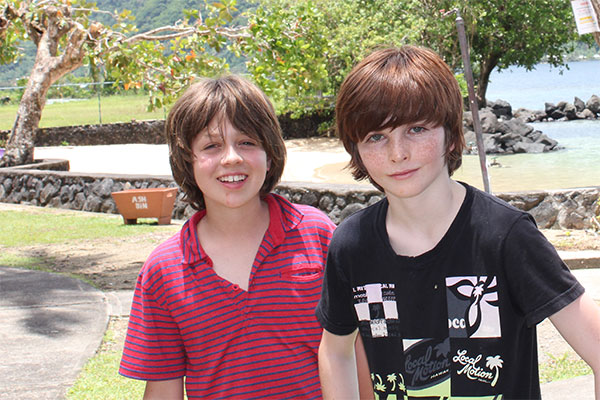
Josiah & Ridgely – Save the Nautilus
Josiah & Ridgely founded Save the Nautilus to support nautilus research and worked to get the animal listed as an endangered species.
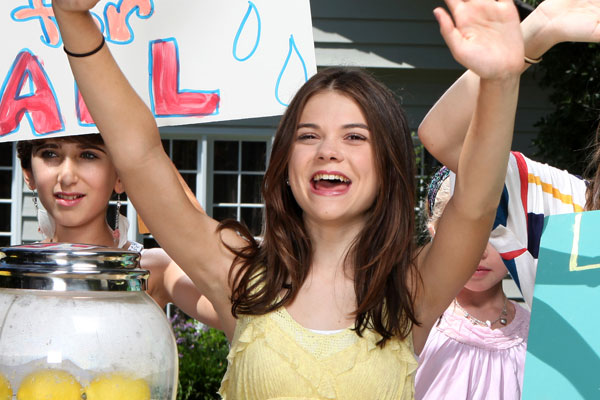
Lulu – LemonAID Warriors
Lulu created LemonAID Warriors to help kids use their passions and skills to create big changes in the world.
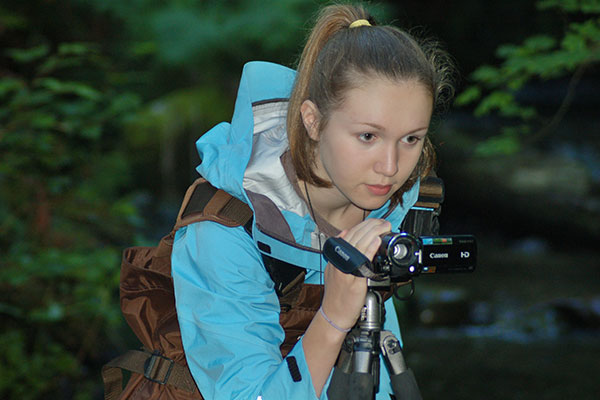
Miranda – Environmental Filmmaker
Miranda is an environmental filmmaker committed to raising people’s awareness of the need to protect the planet and change behaviors.
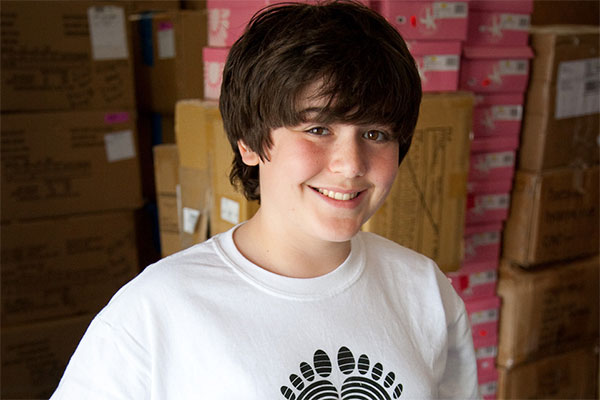
Nick – Gotta Have Sole
Nick founded Gotta Have Sole to provide brand-new footwear to children in homeless shelters across the U.S.
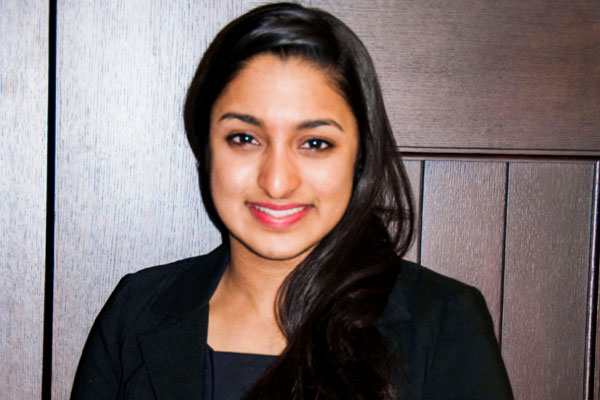
Sruthi – Mitty Advocacy Project (MAP)
Sruthi founded the Mitty Advocacy Project (MAP) to empower young people to make a difference in their communities through political advocacy.
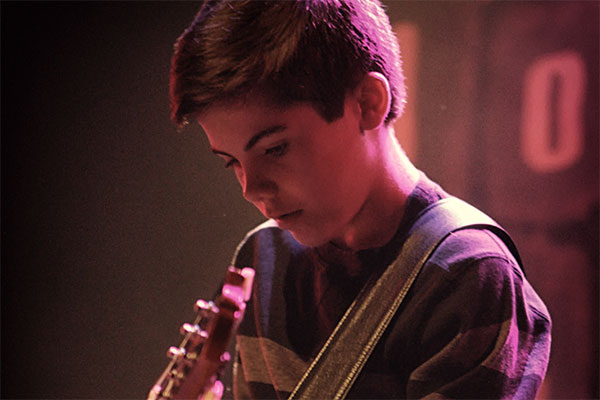
Teagan – Shred Kids’ Cancer
Teagan founded Shred Kids’ Cancer, a non-profit that has raised over $100,000 for pediatric cancer research.