
Barron Prize Winners
2026 WINNERS
Note: The information below, including winners’ ages, photos, and amounts of money raised, is current at the time of our winners’ announcement each year. Indicates winners who were honored for projects that benefit the environment.
Alexander Du
IRIS (Intelligent Responsive Imaging System)
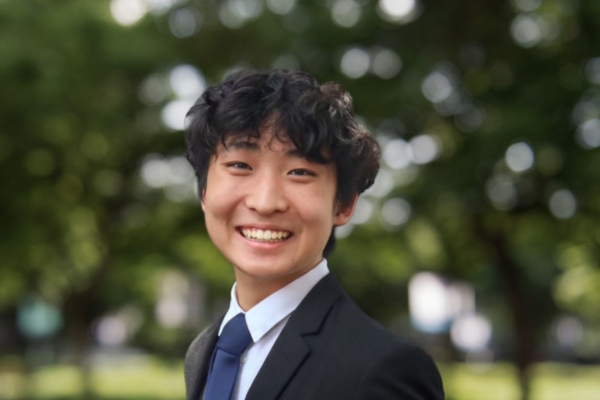
Alexander Du, who invented IRIS (Intelligent Responsive Imaging System), a $170 wearable AI navigation assistant for the blind and visually impaired that is built into discreet, lightweight glasses.
Click to enlarge and see another image
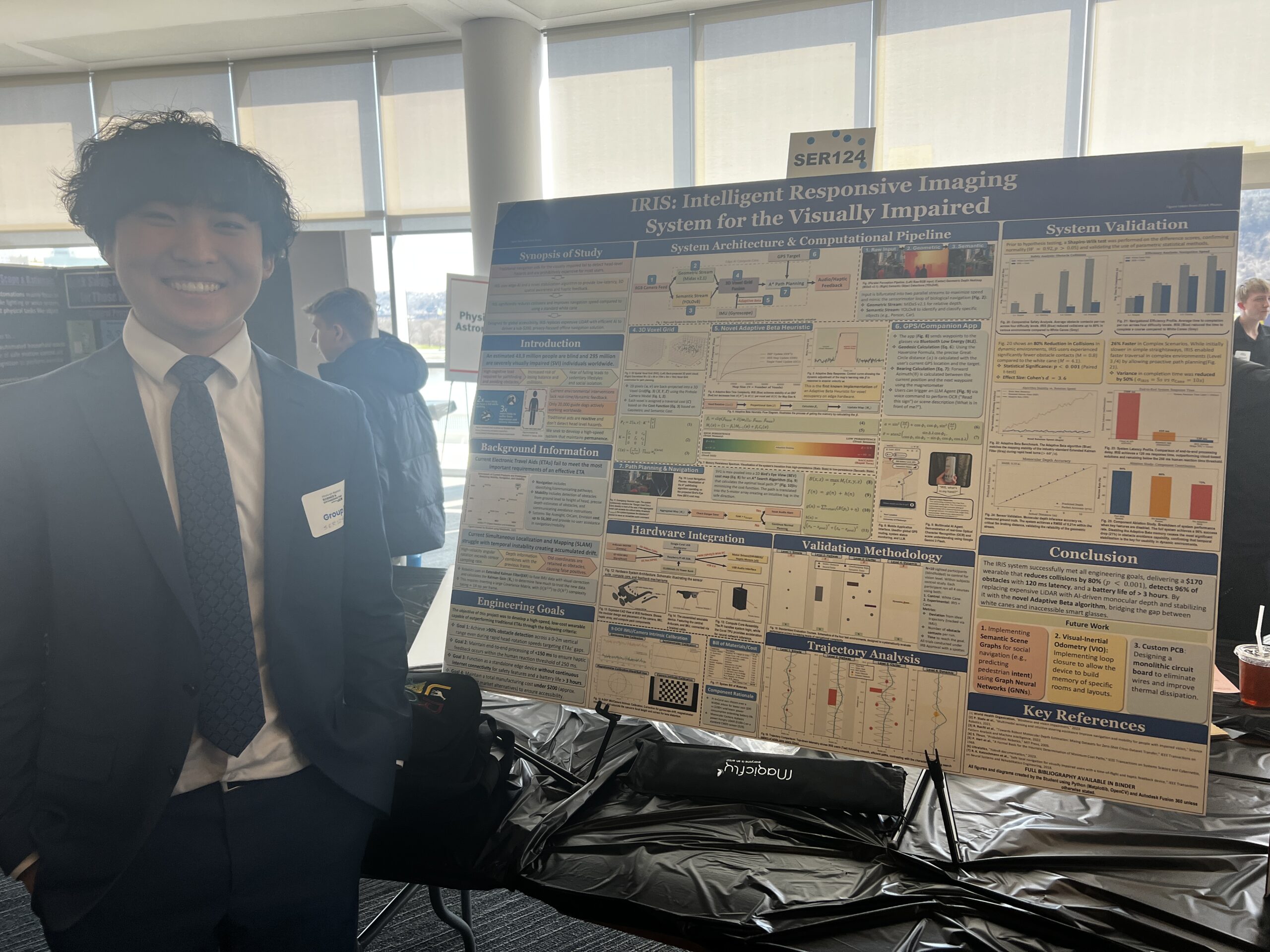
Alex presents IRIS, the low-cost navigation system he built for people who are blind or have low vision, at his local science fair.
Age at Winning Prize
17
Home State
Pennsylvania
Alex invented IRIS (Intelligent Responsive Imaging System), a low-cost wearable AI navigation assistant for the blind and visually impaired. His $170 system is built into discreet, lightweight glasses that act as a virtual guide dog, steering users around obstacles and relaying cues through physical vibrations. Using AI, IRIS builds a real-time 3D map of surroundings and reduces obstacle collisions by 80% compared to a white cane. A paired mobile app handles global navigation via GPS waypoints and an onboard AI assistant transcribes text and describes scenes on voice command. The fully self-contained device does not require connection to the Internet or Cloud.
Alex’s work is inspired by his grandmother, who lost her vision late in life. As she held his arm while he narrated sidewalk curbs and cracks, Alex resolved to help his grandmother navigate in a way that would restore her independence, confidence, and dignity. He knew he could improve upon the white cane that has served the blind for decades but misses every hazard above knee height. He also knew he could develop something far more affordable than other $6,000 commercial devices. For months he spent late nights at his computer, teaching himself AI and slowly building IRIS from scratch. He cold-emailed professors at the University of Pittsburgh and when he was granted loaner lab space, soldered components until 2:00 a.m., watched them fail, and started again. Though his grandmother passed away before he had completed IRIS, Alex is committed to making his system accessible to the 341 million visually impaired people who could benefit from it. “In developing IRIS, I learned that when the path doesn’t exist you make it yourself — one paper, one cold email, one failed solder joint at a time.”
Ameya Kharade
HALO-Vox
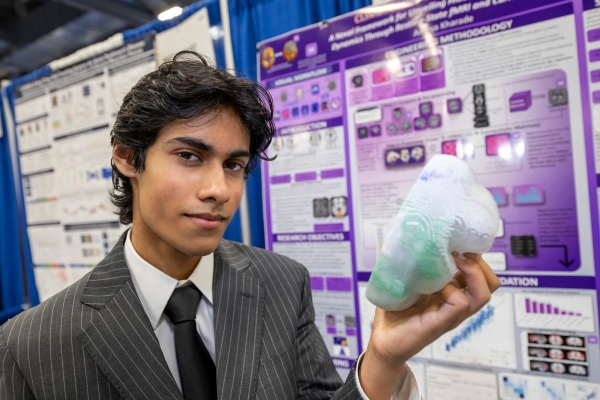
Ameya with a model of a brain in front of one of his previous projects on brain aging.
Click to enlarge and see another image
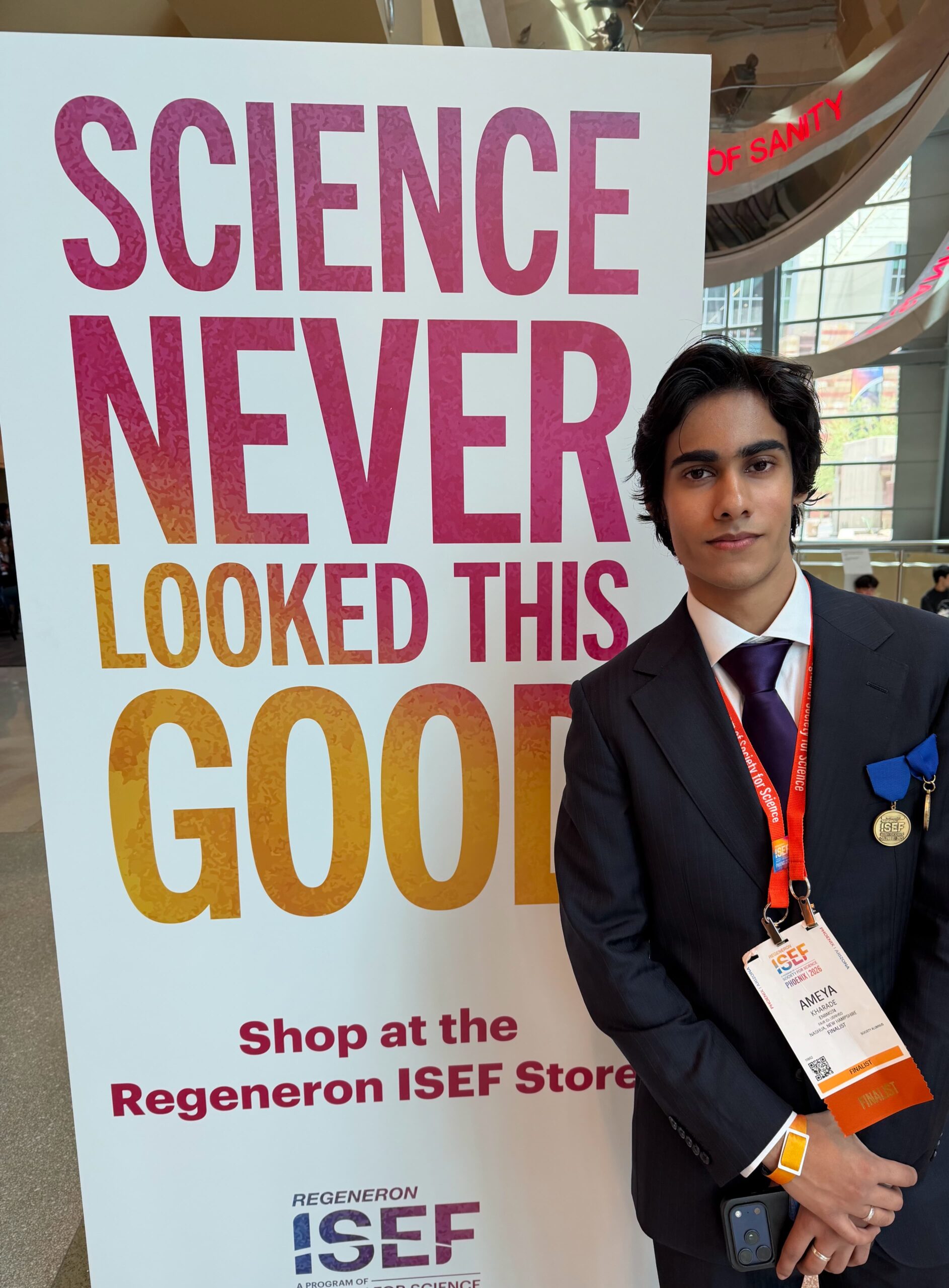
Ameya at the International Science and Engineering Fair 2026.
Age at Winning Prize
17
Home State
New Hampshire
Ameya invented HALO-Vox, a brain-reading system that translates brain activity into speech as fast as million-dollar surgical implants — for $1,800, and without surgery. He developed his brain-computer interface for the nearly five million people living with severe stroke, ALS, and locked-in syndrome who have lost the ability to speak. HALO-Vox allows them to communicate at over sixty words per minute — fast enough for real conversation and far faster than other devices’ three to ten words per minute. Ameya’s work is rooted in his close family member’s loss of speech following a stroke when Ameya was seven. He could see in his relative’s eyes that his mind was intact, but his voice was gone. Refusing to accept that, Ameya applied the neuroscience research he’s done since age 13 to solving the speech problem.
Working alone in his garage for more than six hours each day for a year, he taught himself the mathematics of information theory, developed a sixty-page theory paper, created the algorithms, wrote the code, and ran the human trials. He discovered that for decades, the entire field working to restore speech had been trying to decode letters when they should have been decoding “intent” itself. In over 100 human trial sessions, HALO-Vox’s built-in safety system has never put unintended words in a speaker’s mouth. Ameya has open-sourced his system so anyone can use it and has filed a patent to protect its accessibility. Ameya is now bringing this technology to the whole world. He co-founded Lucen to put brain-computer interfaces within reach of anyone, without millions of dollars and without brain surgery. Extending HALO-Vox, he and his team are building the foundational technology and physics to make that possible. “I’ve learned that persistence isn’t about confidence,” says Ameya. “It’s about being committed enough that giving up isn’t something you can live with.”
Apollin Lu
Food Recovery Alliance
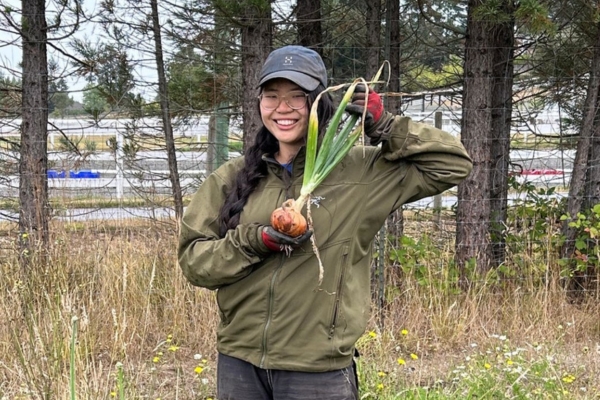
Apollin Lu, founder of Food Recovery Alliance, which rescues surplus produce from local farms and redistributes it to shelters and community organizations.
Click to enlarge and see another image
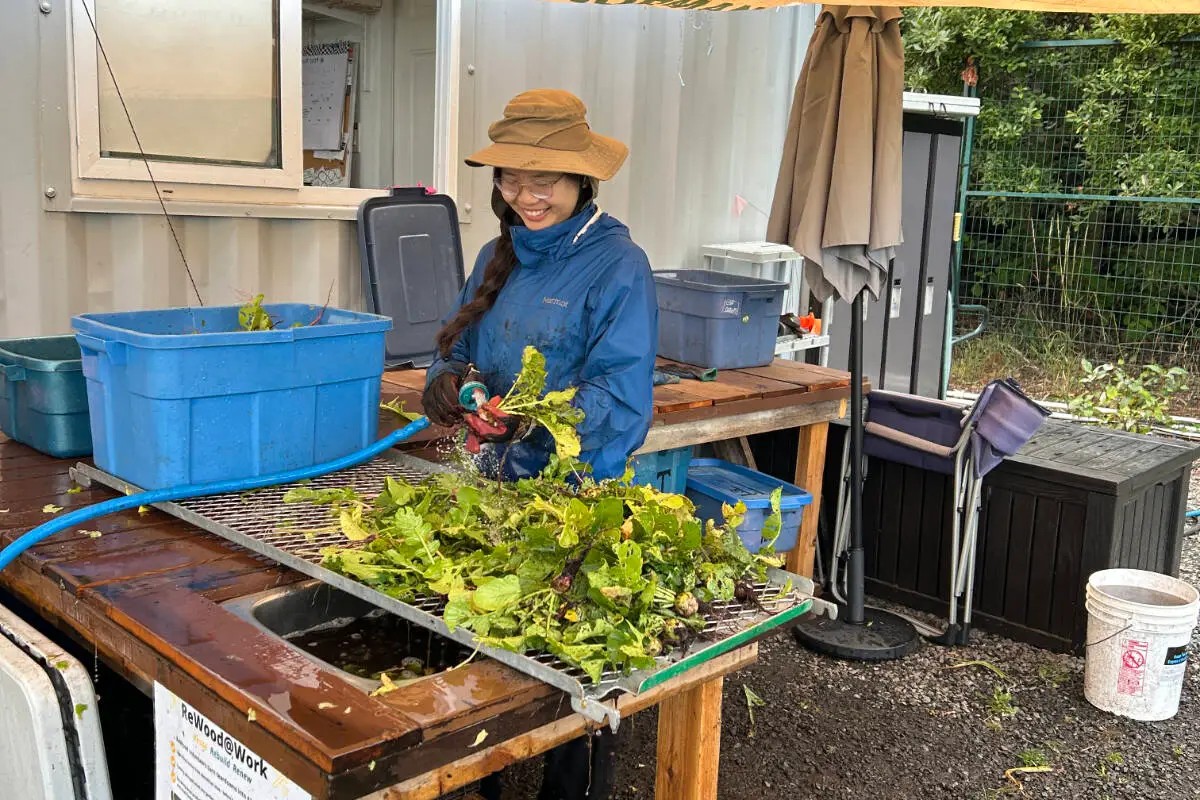
Apollin washing harvested vegetables.
Age at Winning Prize
17
Home State
British Columbia
Apollin founded Food Recovery Alliance to rescue surplus produce from local farms and redistribute it to shelters and community organizations. Over the past three years, she has mobilized more than 140 youth volunteers to harvest nearly 9,000 pounds of locally grown crops from twelve partner farms across Greater Victoria and Vancouver. Valued at more than $32,000, the donated produce, almost all organically grown, helps local organizations feed people in need. Apollin’s work began with a question she asked while growing up on her family’s garlic farm: why does good food go to waste while people in our community go without? Food Recovery Alliance is her effort to address that discrepancy.
Apollin started with farmers, working to convince them to join her program in lieu of continuing to let excess produce rot and return to the soil. To help, her team built an invoicing app so that farmers receive a tax receipt the moment food is donated. Food Recovery Alliance also runs a community garden where younger students grow fresh produce for donation while learning sustainable farming.
Committed to expanding beyond her small community, Apollin partnered with a food distribution project in downtown Vancouver to bring recovered produce to people there. She also launched a program to use recovered produce in cooking meals for a women’s shelter. She is currently working to expand her initiative by building a model that other youth can replicate. Her team is also developing an app to connect farmers, volunteers, and distribution partners in real time, with the goal of recovering one million pounds of food. “I’ve learned that showing up with the same energy every single time, even when it’s hard, is itself a form of leadership,” says Apollin. “And I’ve learned that when young people show up, they can build something that matters.”
Caymus Maxson
Trash Turtles
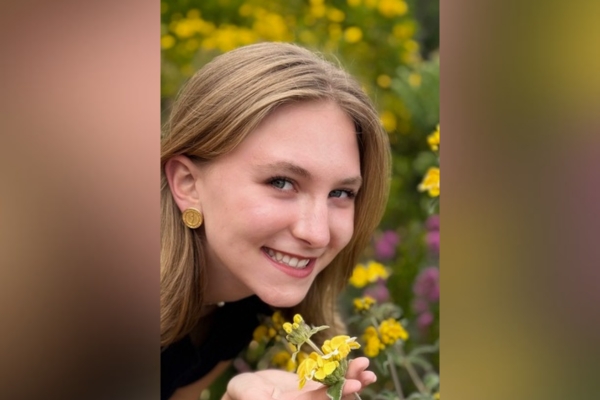
Caymus Maxson, founder of Trash Turtles, dedicated to saving the planet one piece of trash at a time.
Click to enlarge and see another image
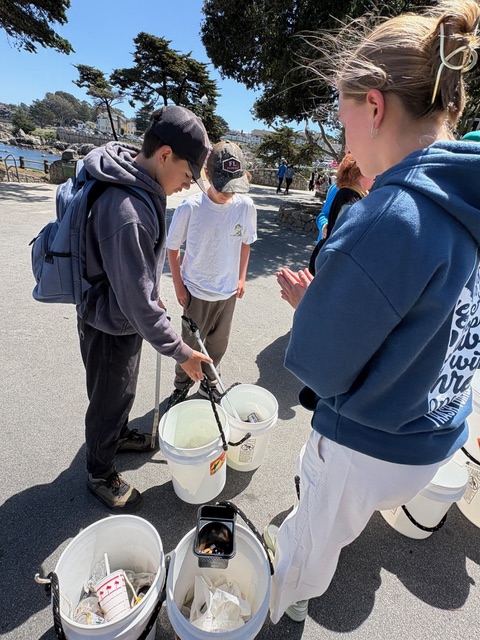
Caymus, age 16, hosting 2026 Trash Turtle Earth Day clean up in Pacific Grove, CA.
Age at Winning Prize
16
Home State
California
Caymus created Trash Turtles to fight plastic pollution, promote sustainable living, and turn environmental awareness into action. Since 2020, her nonprofit has hosted over 50 beach cleanups, collected over six tons of trash, and recycled 52,000 cigarette butts. Her signature initiative, #LeaveWith3, challenges everyone to pick up three extra pieces of trash wherever they go and promotes the idea that small acts when multiplied can make a huge difference. Her team has also donated water refill stations to local schools, awarded $8,500 in environmental scholarships, and built communal grassroots support through donations, grants, merchandise sales, and mission aligned collaborations. Caymus began her work as a 10-year-old after watching a tractor rake her local beach clean and then dump the plastic straws, bottle caps, and cigarette butts into the ocean. Disappointed, she resolved to protect the beach and its animals, especially nesting sea turtles.
She immediately drafted four ordinances — no cigarettes, single-use plastics, polystyrene foam, or balloon releases on the beach. She presented them to the Mayor and City Council, who listened politely but did nothing. Disheartened but determined, Caymus created Trash Turtles to get rid of the beach trash herself. She has organized large-scale beach cleanups and has seen that as people pick up trash, their relationship with the environment often changes. She collaborates with Surfing’s Evolution and Preservation Foundation, Keep Pinellas Beautiful, and Jane Goodall’s Roots & Shoots, and serves on the National Youth Council. She has continued to push for passage of her original four ordinances and in 2022, her town restricted smoking on the beach. In 2024, Florida instituted a statewide ban on intentional balloon releases. “I’ve come to understand that environmental issues usually stem from a normalization of everyday systems that have never been challenged,” says Caymus. “That realization makes me hopeful, because it means that change is only one choice away.”
Emily Herra
Veggie Nuggets
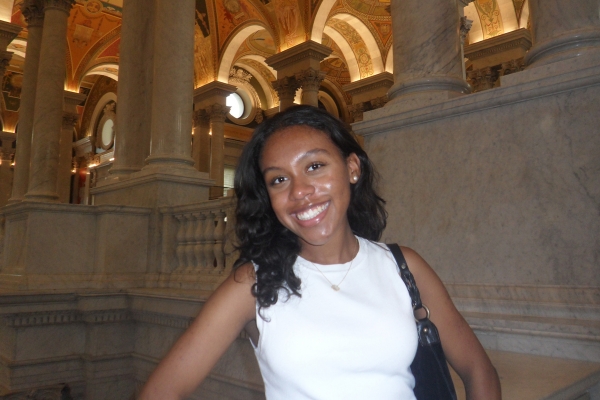
Emily Herra, co-founder of Veggie Nuggets, a climate activism group in Jackson Heights and greater Queens that empowers youth voices and strengthens environmental stewardship in her neighborhood and across New York City.
Click to enlarge and see another image
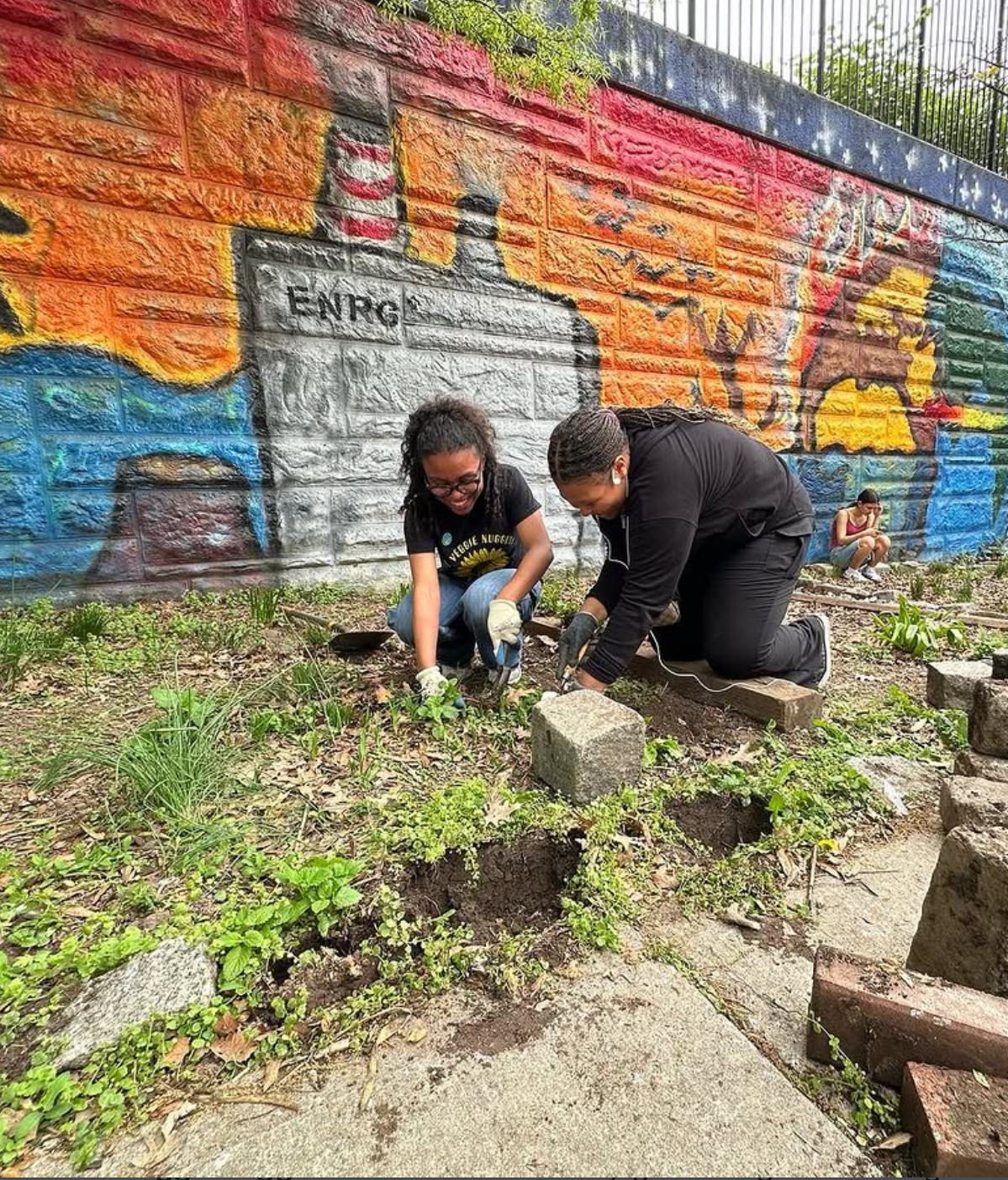
Emily (left) works alongside community members to restore and maintain the Veggie Nuggets community garden in Jackson Heights.
Age at Winning Prize
17
Home State
New York
Emily co-founded Veggie Nuggets, a climate activism group in Jackson Heights and greater Queens that empowers youth voices and strengthens environmental stewardship in her neighborhood and across New York City. Emily and her team organize park cleanups, create pollinator-friendly gardens, lead environmental workshops, and advocate for sustainable practices like composting and renewable energy. The group’s signature initiative has been rebuilding and maintaining a previously neglected 3,600-square-foot community garden in Jackson Heights. The space now boasts 1,800 square feet of pollinator habitat and a 130-foot climate justice mural. It also serves as a neighborhood hub for volunteers and hands-on learning. Emily began her work at age 12 when she created a composting program at her school, despite being told by administrators it would be too complicated. When her program was finally up and running, she resolved to make an even bigger impact.
Her opportunity arose when she and friends came across an abandoned lot in their neighborhood, overgrown with grass, tangled trees, and trash. The group of seven middle schoolers returned with two coaches to clean it up. With support from master gardeners and the Jackson Heights Beautification Group, Emily and her peers learned how to rebuild the soil and add native plants. They also learned how to navigate complex city systems to apply for permits and grants. Over time, Veggie Nuggets has built partnerships across New York City with organizations including Treeage, Make Justice Normal, and JH Scraps. Emily is now producing environmental awareness films and has become a respected youth voice in city and state climate efforts, lobbying against fossil fuel infrastructure. “Through this experience, I’ve learned that environmental work is not just about big solutions or perfect plans,” says Emily. “It’s about persistence, especially when things feel slow or uncertain.”
Everett Leigh
EverEverest
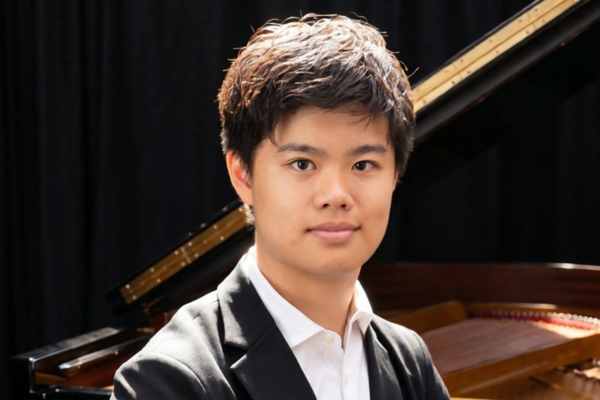
Everett Leigh, founder of EverEverest, a nonprofit that supports foster children.
Click to enlarge and see another image
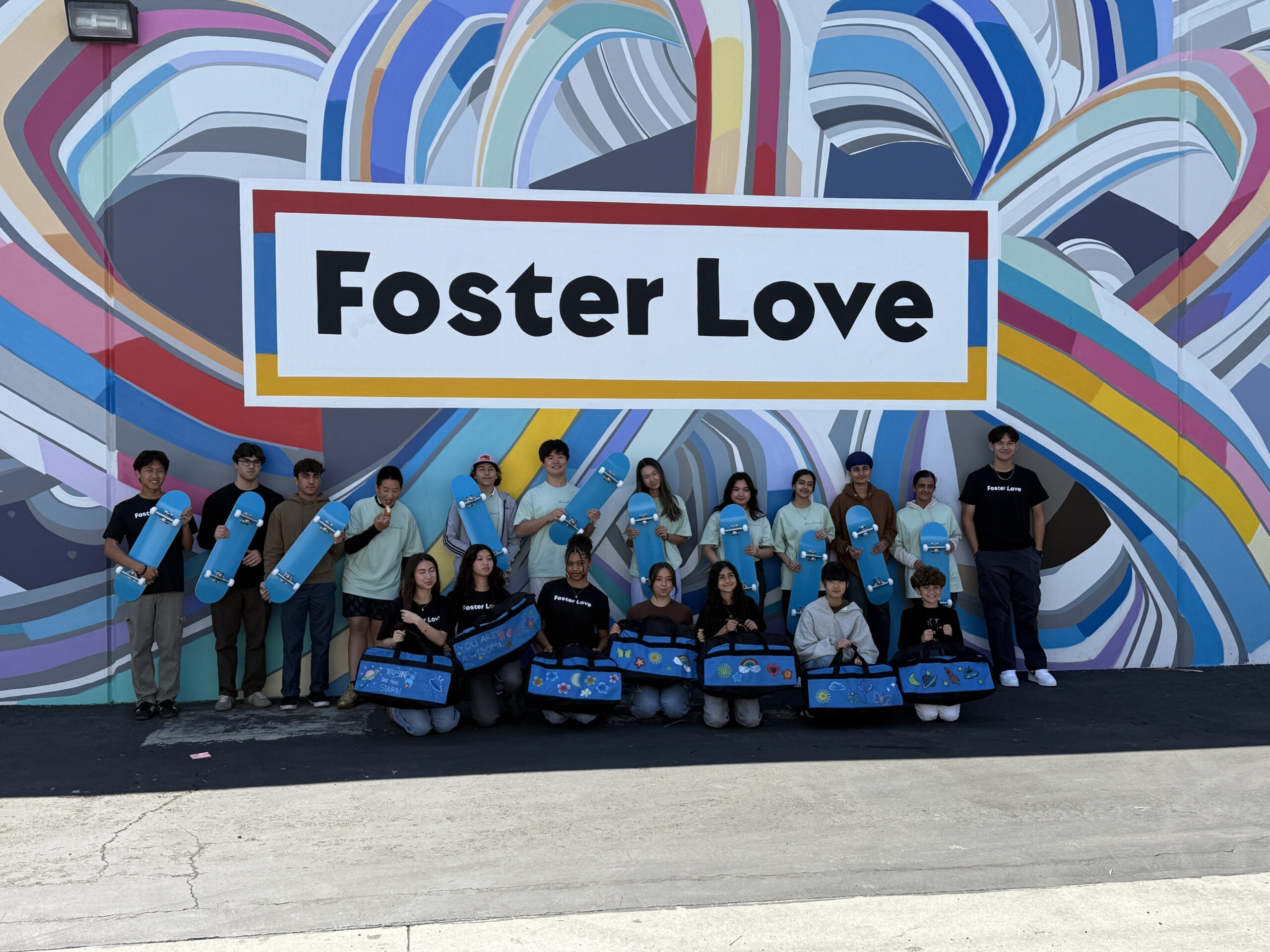
EverEverest Social Entrepreneurship Club volunteer event at Foster Love Headquarters.
Age at Winning Prize
16
Home State
California
Everett founded EverEverest, a nonprofit that supports foster children through educational programming, mentorship, and needed supplies. One of the country’s top young concert pianists, he has organized more than 50 benefit concerts to raise $70,000 to support foster youth. He has helped raise an additional $2 million for Foster Love, the nation’s largest nonprofit supporting foster children, as the lead performer at the group’s annual fundraising gala. Everett has also raised funds by hosting 50 masterclasses and co-producing two music festivals featuring Yale School of Music professors. To further support his work, he has established eleven high school Social Entrepreneurship Clubs (SECs), mobilizing hundreds of students to fundraise and volunteer for foster youth. SECs raise money to buy and fill school backpacks and birthday boxes, and to purchase and assemble bicycles and skateboards.
Everett committed to supporting foster youth following his first performance at the Foster Love gala, when he learned that while 70% of foster children dream of going to college, fewer than 3% ever earn a degree. To address that gap, he recruits instructors from top-ranked colleges to deliver free online courses for foster youth in music theory, music technology, writing, college counseling, and research support. EverEverest’s flagship in-person program, the Music Technology Academy, brings together foster youth, professors from Berklee College of Music, and music professionals for a week of instruction and to help students build competitive music portfolios. So far, 56 foster youth have benefited directly from the program, contributing to their admission offers from universities including Stanford and Johns Hopkins. “I’ve come to realize that foster children do not need rescuing. They need an open door, an opportunity, and a supportive community,” says Everett. “EverEverest is built on the belief that no one’s dreams should feel out of reach.”
Isaac Nelson
Restoring coastal ecosystem
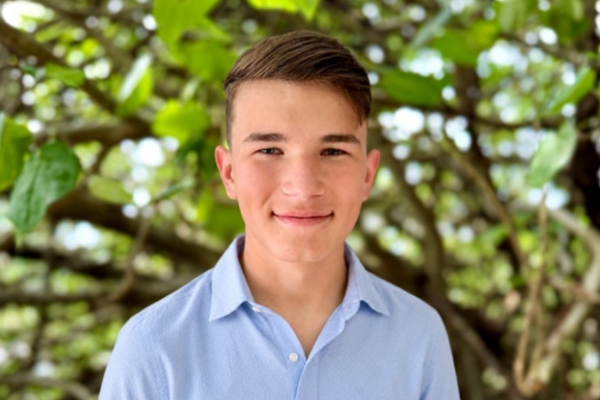
Isaac Nelson, who is restoring the coastal ecosystem surrounding the historic Jupiter Lighthouse near his home in Florida, where the lush shoreline was removed in 2025 and replaced with a cement seawall.
Click to enlarge and see another image
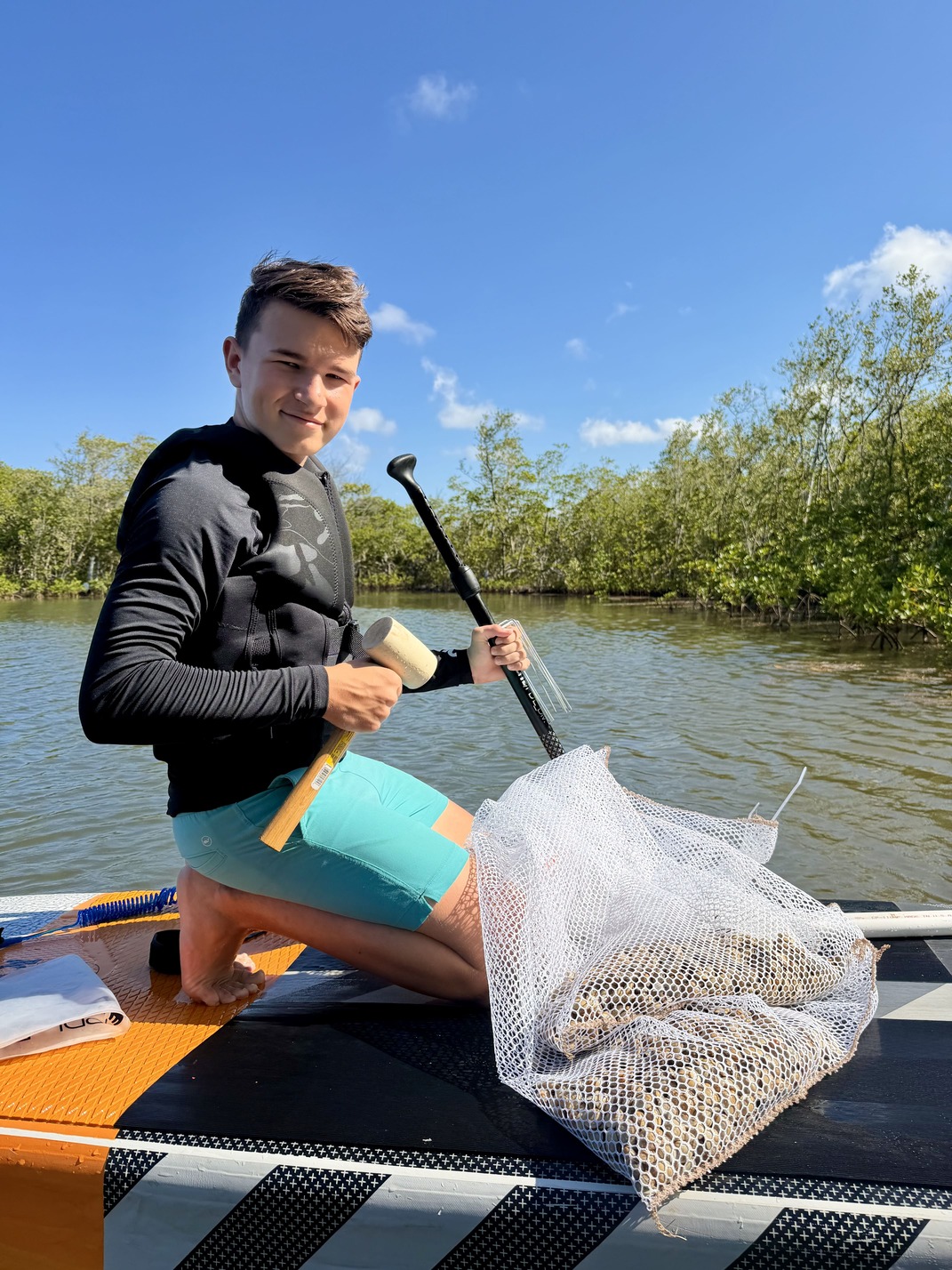
Isaac installing clam grow-out bags by the Jupiter Lighthouse.
Age at Winning Prize
13
Home State
Florida
Isaac is restoring the coastal ecosystem surrounding the historic Jupiter Lighthouse in Florida. After years of heavy boat traffic and shoreline erosion, the area’s native mangroves and living shoreline habitat had to be removed and replaced with a retaining wall. Isaac resolved to help rebuild the natural systems. He began by rescuing mangroves, recruiting volunteers from the EcoScouts, the youth conservation organization he founded at age seven. Together, they hand-rescued over 3,000 desiccated mangrove propagules and created a large mangrove nursery in Isaac’s yard. As the project grew, Isaac partnered with the Bureau of Land Management to design and build a permanent mangrove nursery at the base of the Jupiter Lighthouse, where he continues to rescue and nurture native mangroves.
To restore marine habitat, Isaac transformed recycled oyster shells from local restaurants into more than 100 vertical oyster gardens suspended beneath docks throughout the inlet. The growing oysters now filter an estimated 250,000 gallons of water each day while creating habitat for countless marine species. Determined to bring back native clams, Isaac spent months locating brood stock from the few remaining wild populations. Through a partnership with the Whitney Laboratory for Marine Bioscience, those clams were successfully spawned in the laboratory, and more than 23,000 juvenile clams have already been released into local waters. To measure the ecosystem’s recovery, Isaac also designed and programmed an underwater benthic camera capable of recording high-resolution video for up to 48 hours, far beyond the usual 60-minute battery life. Combined with AI-powered species identification, the system will help monitor marine life as restoration continues. “I’ve learned you don’t have to wait until you’re an adult to protect the places you love,” Isaac says. “Young people can make a real difference right now.”
Kaitlyn Tran
Rain Barrels for Runoff
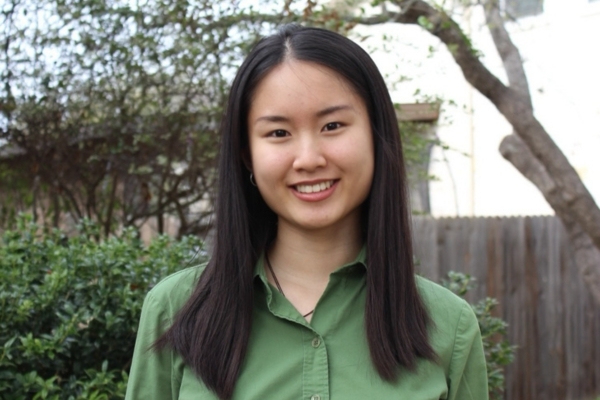
Kaitlyn Tran, who founded Rain Barrels for Runoff to create upcycled, hand-painted rain barrels to reduce stormwater runoff. She also developed a mapping method to predict how runoff could contaminate groundwater under different urbanization scenarios in the Texas Hill Country.
Click to enlarge and see another image
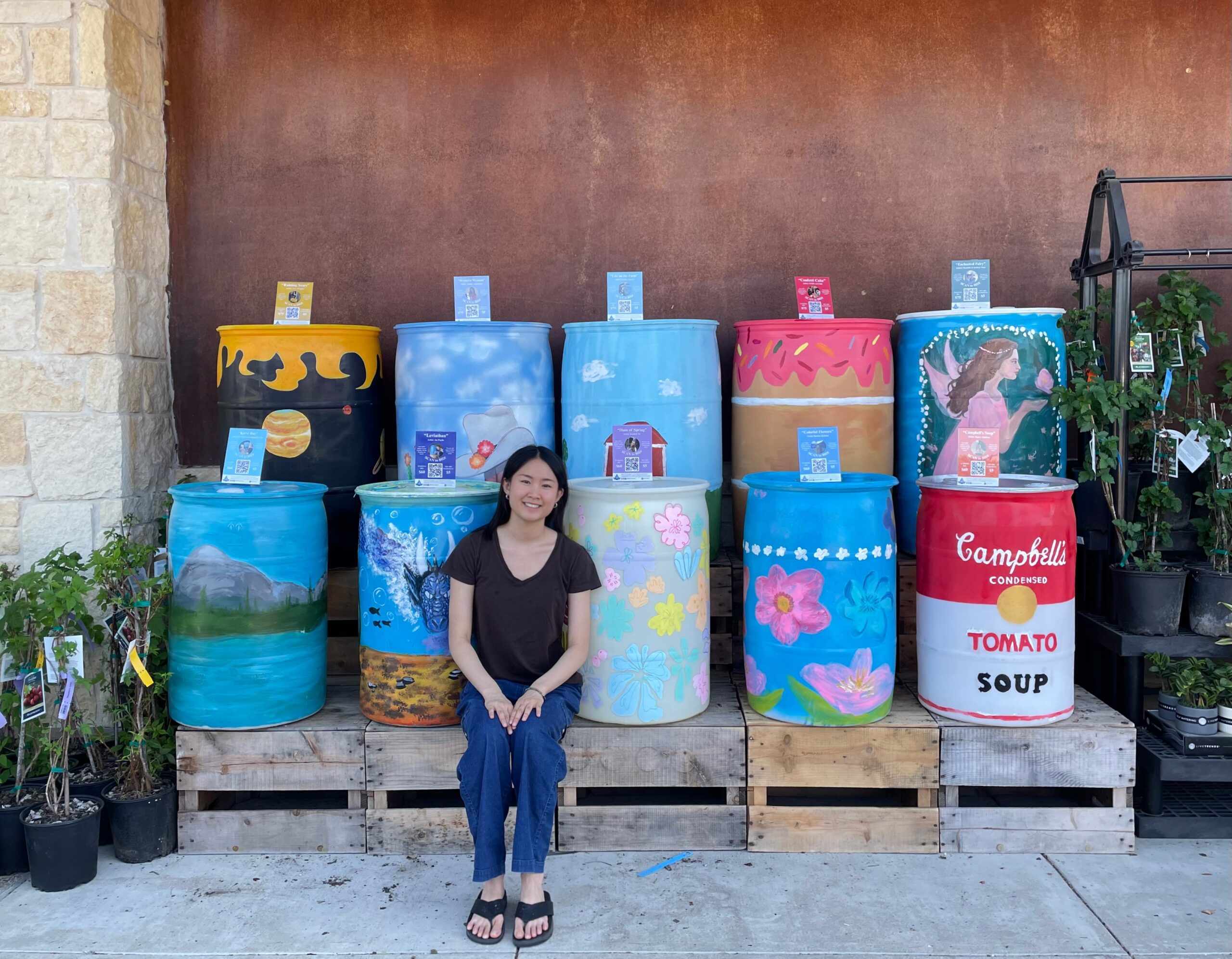
Kaitlyn sitting by Rain Barrels for Runoff’s painted barrels.
Age at Winning Prize
17
Home State
Texas
Kaitlyn founded Rain Barrels for Runoff to create upcycled, hand-painted rain barrels to reduce stormwater runoff. She also developed a mapping method to predict how runoff could contaminate groundwater under different urbanization scenarios in the Texas Hill Country, where she grew up. Kaitlyn has watched rapid development create stormwater runoff crises in the area, where sloping terrain concentrates contaminants into local waters at incredible volumes. A mural artist, she decided to help reduce runoff by upcycling food manufacturing drums into hand-painted rain barrels. She drove hundreds of miles across Texas to collect drums and recruited over 40 youth artists to help her paint them. Her group has sold the barrels to residents, raising over $2,500 for local environmental programs and preventing 45,000 gallons of runoff.
Inspired by this success, Kaitlyn was poised to do more when her city announced plans to bring large-scale corporate development to nearby Lime Creek Quarry, where decades of limestone mining has destroyed geologic layers that would normally provide filtration for the underlying Edwards Aquifer. With the proposed development, millions of gallons of contaminated runoff would be directed into the aquifer, the water source for 2.5 million people. When Kaitlyn brought these concerns to City Council and was told economic development took precedent, she resolved to map how different redevelopment scenarios for the quarry would affect the underlying aquifer. For eight months, she taught herself groundwater modeling and GIS software and consulted with local hydrogeologists. When she returned to City Council with a binder full of her research, they indicated they would likely eliminate 64 acres of the development, preventing a potential 1.74 million gallons of contaminated runoff from entering the aquifer annually. “There’s always a want in people to protect what they love,” says Kaitlyn. “They just need the tools to be able to do so.”
Katelyn Liu
WOW! That’s STEM
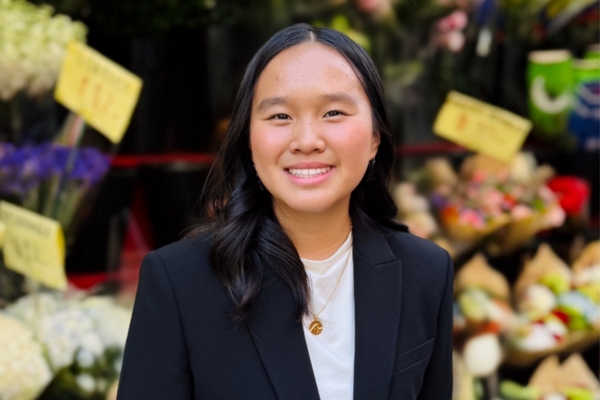
Katelyn Liu, founder of WOW! That’s STEM, which provides free hands-on science to underserved students
Click to enlarge and see another image
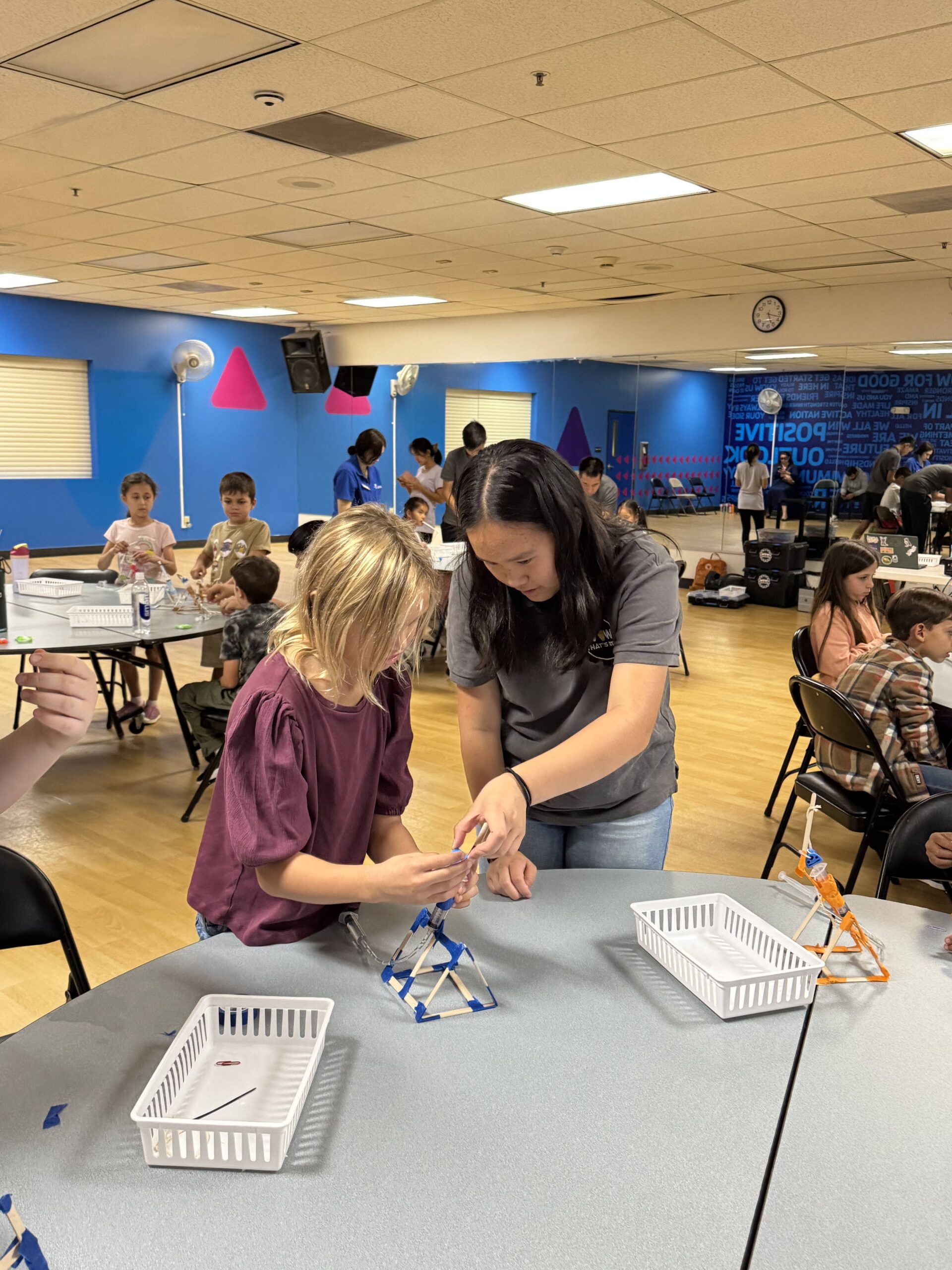
Katelyn building a hydraulic crane with an initially hesitant student at a Burbank YMCA workshop. She grew in confidence and was helping a new friend by the end of the workshop!
Age at Winning Prize
17
Home State
California
Katelyn founded WOW! That’s STEM to provide free hands-on science to underserved students who lack access to quality science programming. She has built partnerships with 48 community
organizations to provide STEM workshops at YMCAs, libraries, Title 1 elementary classrooms,
and other youth organizations. Her team of 60 teen volunteers helps students build wind turbines,
catapults, and other projects to explore engineering at high-energy workshops that are recurring
to build consistency, connection, and confidence. Her volunteers also assemble science kits for
kids across the world. Beyond the classroom, Katelyn has organized environmental education
programs to engage youth in community science (work that earned her recent Eagle Scout
recognition). What began as a few workshops at her local library has grown into an international
nonprofit that has provided 375 science workshops and assembled over 13,000 STEM kits,
reaching more than 11,500 students. WOW! That’s STEM now operates as 20 active chapters
across several U.S. states, as well as in Uganda, Ethiopia, Tijuana, and Spain.
Katelyn’s work grew out of her own early experiences as a girl in STEM who feared being seen
as someone who didn’t belong. She created her program to help students see themselves as
scientists and understand that what they think and build matter. She started by cold emailing
libraries and YMCAs. When that didn’t work, she showed up in person, bringing prototypes of
her lessons and emphasizing student-led learning. Now organizations like the Roundhouse
Aquarium seek her out. To fund her work, Katelyn organizes fundraisers at local restaurants,
sells STEM kits at community festivals, applies for grants, and secures donated materials. “When
I started WOW! That’s STEM, I was focused on getting everything right — perfect materials,
perfect timing,” says Katelyn. “But I’ve learned this work is inherently messy, and what kids
remember isn’t perfection but energy, joy, and someone continuously showing up for them.”
Lidia Rak
Pediatric cancer researcher
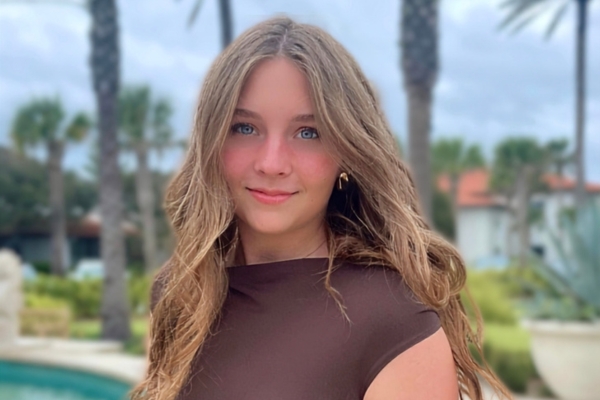
Lidia Rak, national representative for the American Cancer Society and pediatric cancer researcher, who conducted pediatric brain tumor research to improve pediatric cancer research funding.
Click to enlarge and see another image
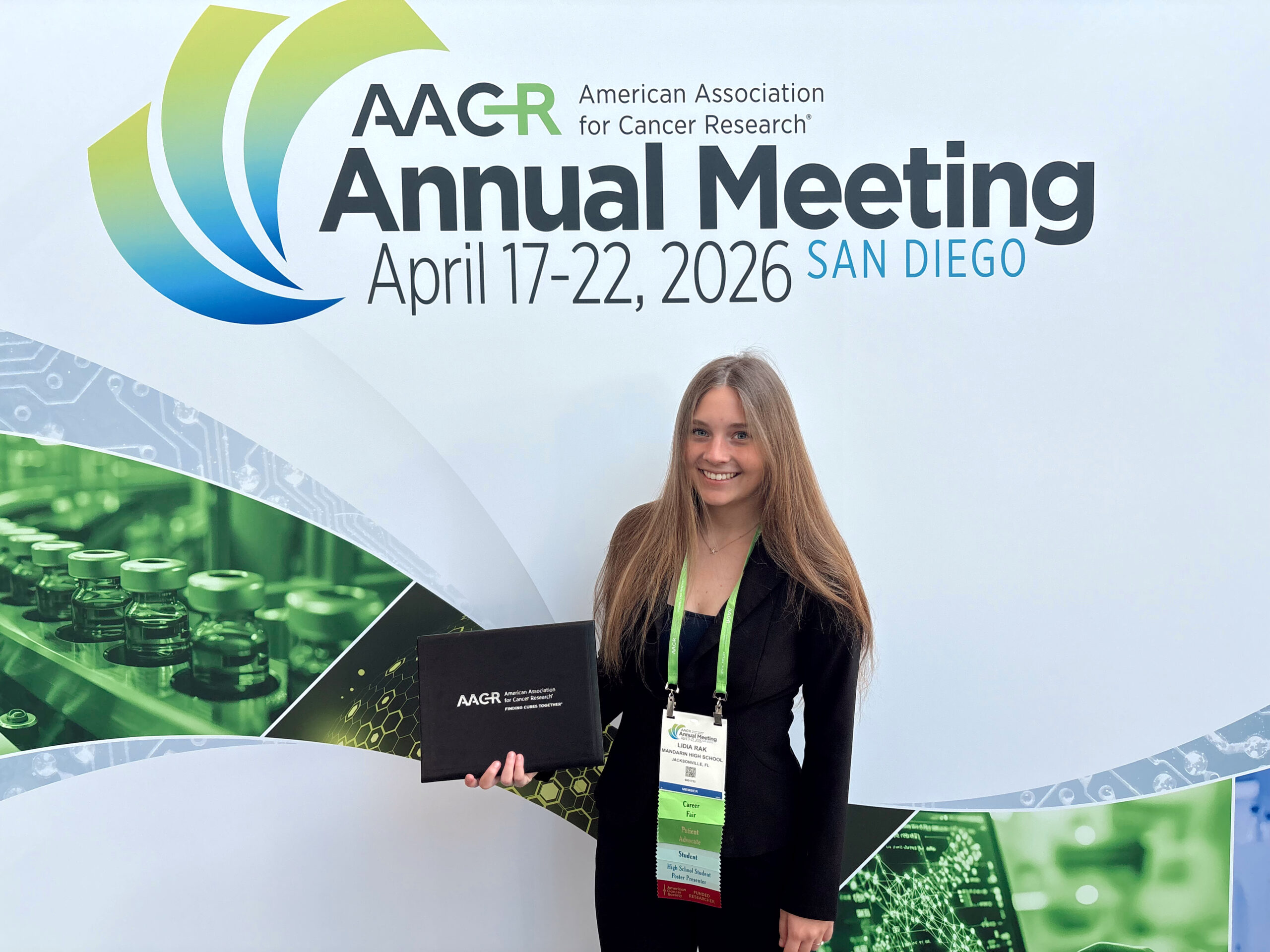
Lidia presenting her research at the American Association for Cancer Research Annual Meeting, also known as the largest cancer research conference in the world.
Age at Winning Prize
18
Home State
Florida
Lidia is working to ensure that children with cancer are no longer overlooked in research. Motivated by years of volunteering with pediatric cancer patients and her own childhood experience navigating an autoimmune illness, she has combined scientific research with public policy advocacy to improve outcomes for children facing cancer. She conducted an independent environmental epidemiology study examining the relationship between naturally occurring radium in drinking water and pediatric brain tumor incidence in Florida. Using pediatric cancer registry data, water quality records, and spatial statistical modeling, she identified significant geographic clusters that warranted further investigation. She presented her research at the American Association for Cancer Research (AACR) and used it as a foundation for conversations with policymakers about the need for greater investment in childhood cancer research.
Through her work with the American Cancer Society, Lidia advocated before the Florida Legislature for increased pediatric cancer research funding and stronger attention to how children are overlooked in environmental/healthcare regulations. Her advocacy and research contributed to legislation passing a $30 million, five-year investment in pediatric cancer research for new treatments. She has since continued her efforts on Capitol Hill, meeting with members of Congress to advocate for sustained federal investment in childhood cancer research. Lidia hopes to work on developing safer, more effective therapies for children with brain tumors. She believes meaningful change happens when scientific discovery, compassionate care, and advocacy work together. As she says, “Every breakthrough begins with someone deciding that the way things are isn’t the way they have to stay.”
Lucas Rojas
LINKball: Kickball for ALL
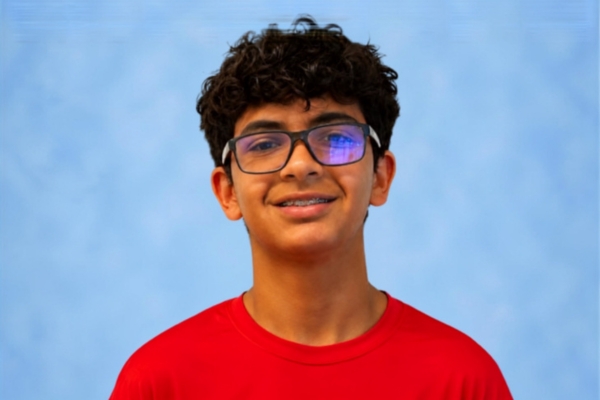
Lucas Rojas, founder of LINKball: Kickball for ALL, an inclusive kickball league that allows the special needs community to experience the joy of playing sports.
Click to enlarge and see another image
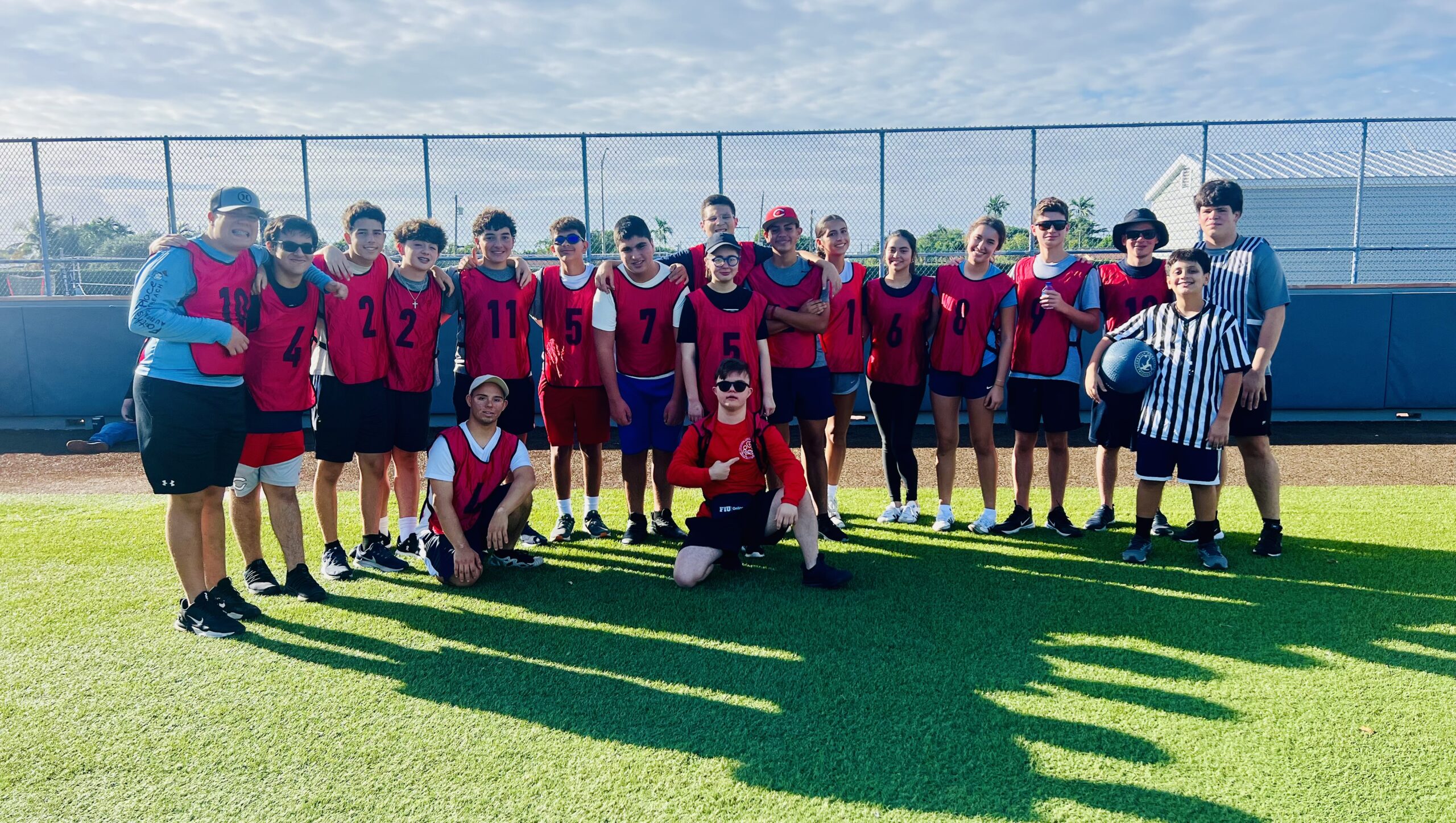
Team Red getting ready to hit the field on the first day of Fall League 2025.
Age at Winning Prize
16
Home State
Florida
Lucas created LINKball: Kickball for ALL, an inclusive kickball league that allows the special needs community to experience the joy of playing sports. During fall and spring seasons, his free league brings together 48 individuals with special needs and approximately 60 teen volunteers to play side-by-side on inclusive teams that are designed to be educational. Each team’s players connect as teammates instead of as “participants” and “volunteers.” Lucas works through countless details to secure fields, equipment and uniforms; schedule field space; communicate with parents; and lead game day operations. His league features opening ceremonies that celebrate every athlete and weekly games focused on encouragement. Each season ends with an awards celebration that recognizes effort and sportsmanship.
Lucas launched his program at age 14, inspired by years of volunteering with his family for the special needs community. He’d seen how often people are separated into different spaces with more barriers than bridges and he wanted to change that. He’d also seen that inclusion isn’t automatic but takes intention and effort. To that end, Lucas placed teen volunteers at the heart of his league to form real relationships with the special needs athletes. He wanted it to feel like a true community for his volunteers, not just more service work, and be a meaningful experience that deepened their compassion and developed leadership. He has built exactly that and now has a waitlist of volunteers each season. His league also profoundly impacts the special needs families, who routinely express what it means for their children to have teammates cheering them on and chanting their names. “Sometimes we stress the small details but what people really need is for you to just show up as yourself, be present, and give of your heart,” says Lucas. “That’s where real connections happen.”
Natalie Flaherty
I Stand with Anne
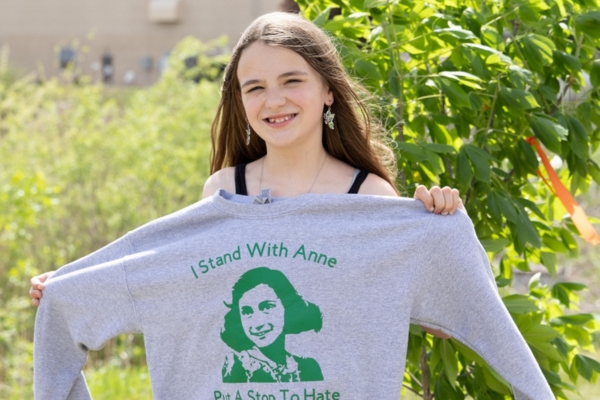
Natalie Flaherty, founder of I Stand with Anne, a global initiative that aims to transform Holocaust remembrance into daily action.
Click to enlarge and see another image
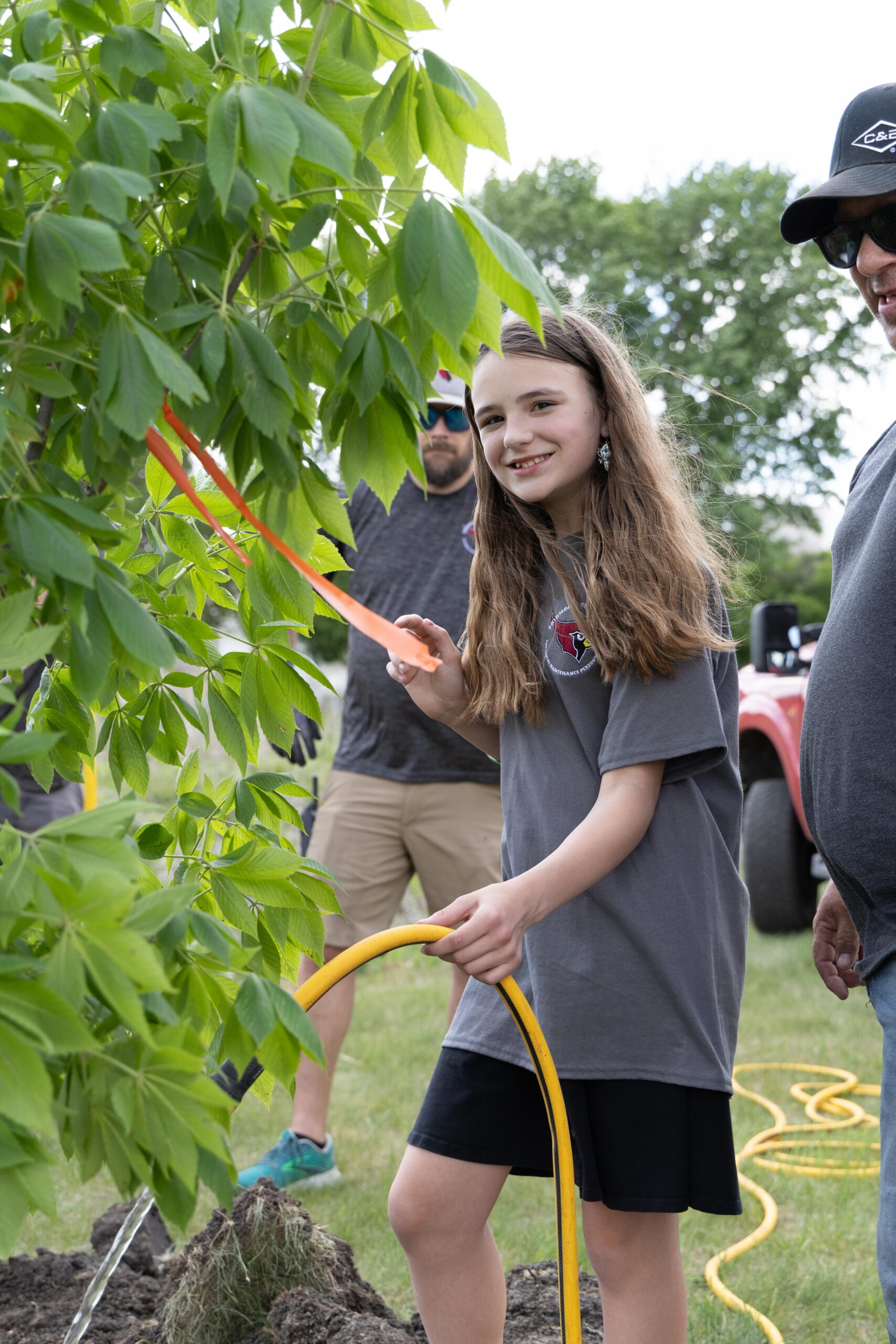
Natalie watering the newly planted Anne Frank tree.
Age at Winning Prize
12
Home State
Minnesota
Natalie founded I Stand with Anne, a global initiative that aims to transform Holocaust remembrance into daily action. Her work centers around bracelets she created that read “I stand with Anne, put a stop to hate,” a token of Anne Frank’s courage and compassion that people can wear every day. At age 10, Natalie dressed up as Anne Frank for Halloween and went door-to-door handing out her bracelets. She has now distributed over 100,000 of them across all 50 U.S. states and in more than 50 countries. Natalie also collaborates with museums, educators, and bipartisan leaders to support Holocaust education nationwide. In May 2025, she organized an Anne Frank tree planting in her hometown to symbolize life, resilience, and hope. The sapling is directly descended from the famous chestnut tree outside Anne Frank’s secret annex, a massive tree Anne could peek at and that she wrote about in her diary. Natalie’s tree is one of only twenty Anne Frank trees planted across the country, including at the U.S. Capitol and 9/11 memorial. In conjunction with the tree planting, she worked with local and state leaders to have May 29 declared as “Stand with Anne Day.”
Natalie began her work at age 8 after seeing a documentary about the Holocaust and reading Anne Frank’s diary. She was deeply moved by Anne’s words and her belief in goodness despite her circumstances. As an autistic individual, Natalie has faced misunderstanding that has strengthened her sense of justice and deepened her empathy. Her initial effort to distribute bracelets has grown into a global movement to combat hate and promote compassion. “I’ve learned that my age is not a limitation,” says Natalie. “Young people have the ability and the responsibility to lead when we encounter injustice, ignorance, or silence.”
Nathan Tan
Shared Skies Initiative
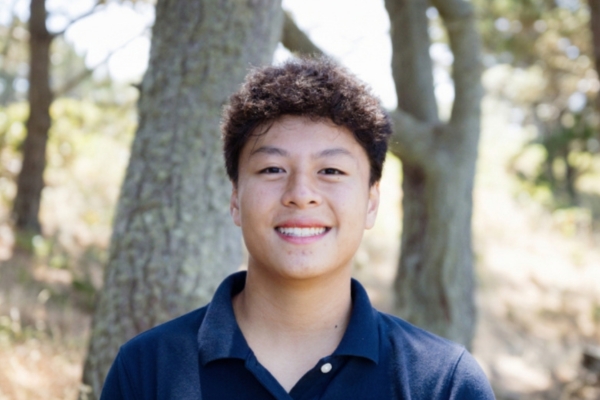
Nathan Tan, Founder and Executive Director of Shared Skies Initiative, a nonprofit addressing environmental injustice in Dallas.
Click to enlarge and see another image
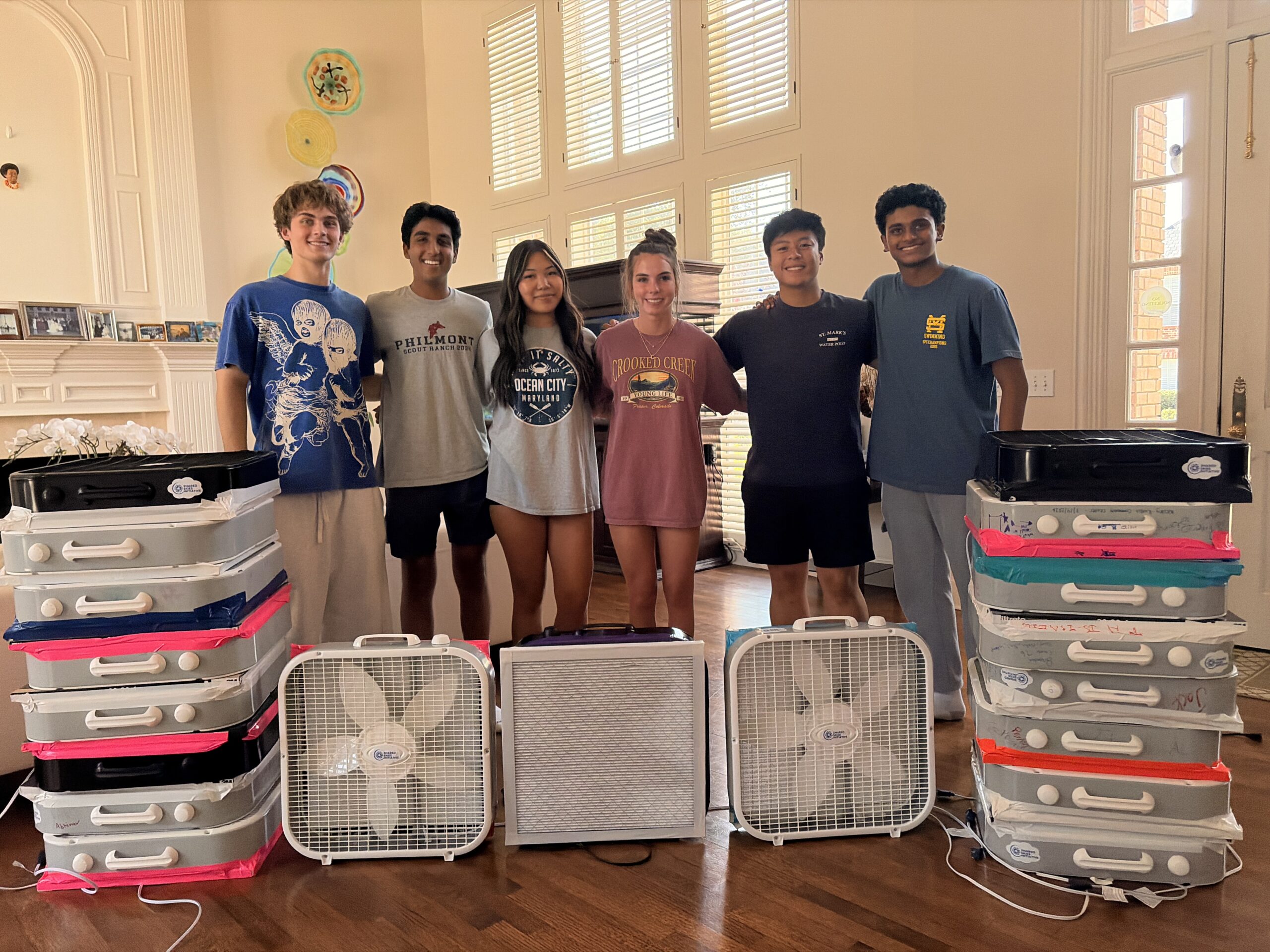
The Shared Skies team assembles more than 20 Corsi-Rosenthal air filtration units for distribution to local families.
Age at Winning Prize
17
Home State
Texas
Nathan founded Shared Skies Initiative, a nonprofit addressing environmental injustice in Dallas, where low-income and minority families have been disproportionately burdened with air pollution for decades. For Nathan, this work is personal: he spent years tutoring elementary students in West Dallas, has lived with respiratory illness himself, and lost family members to lung cancer. When a student asked why the air was so hazy, Nathan found that West Dallas suffers childhood asthma rates several times the state average, while a single monitor covers more than 900 square miles, leaving the neighborhoods most at risk without local air quality data.
His first instinct was adding more sensors, but they proved expensive to install and maintain, so he built a machine-learning model that accurately predicts particulate matter in places without monitors, using sensors for validation. The result is a real-time air quality map now used by 1,000 Texans that allows residents to easily monitor local pollution. Nathan’s team wrote a 50-page environmental justice primer in English and Spanish and shared it with over 60 low-income schools, reaching 30,000 students. His team has also donated 50 student-built air filters that cut indoor pollution by 95%, along with 10,000 KN95 masks and bilingual booklets, and trained 300 youth ambassadors to read data and protect their families. Shared Skies also advocates for the closure of a shingle manufacturing plant just hundreds of yards from West Dallas homes. Nathan has organized a letter-writing campaign to elected officials, spoken before local city councils, and partnered with grassroots organizations to bring youth voices to the table. “Research only makes a difference when it reaches the people it is about,” says Nathan. “A paper in a journal won’t protect a child from polluted air as he walks to school, but a bilingual booklet a mother can read will.”
Sophie Kim
The Clean & Green Initiative (TCAGI)
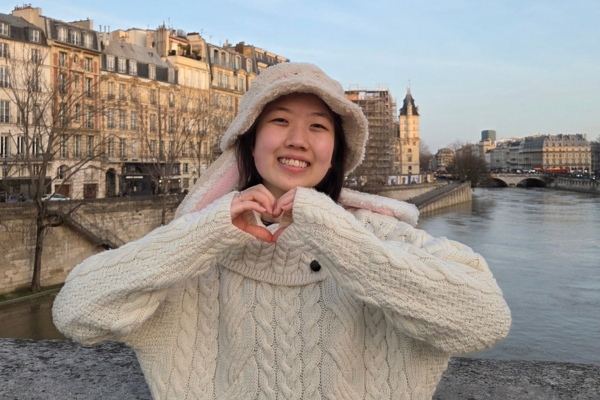
Sophie Kim, founder of The Clean & Green Initiative, an online community for young people struggling with eco-anxiety. She also founded Bipartisan Bridges to address the frustrating level of polarization she has encountered while advocating for environmental protections.
Click to enlarge and see another image
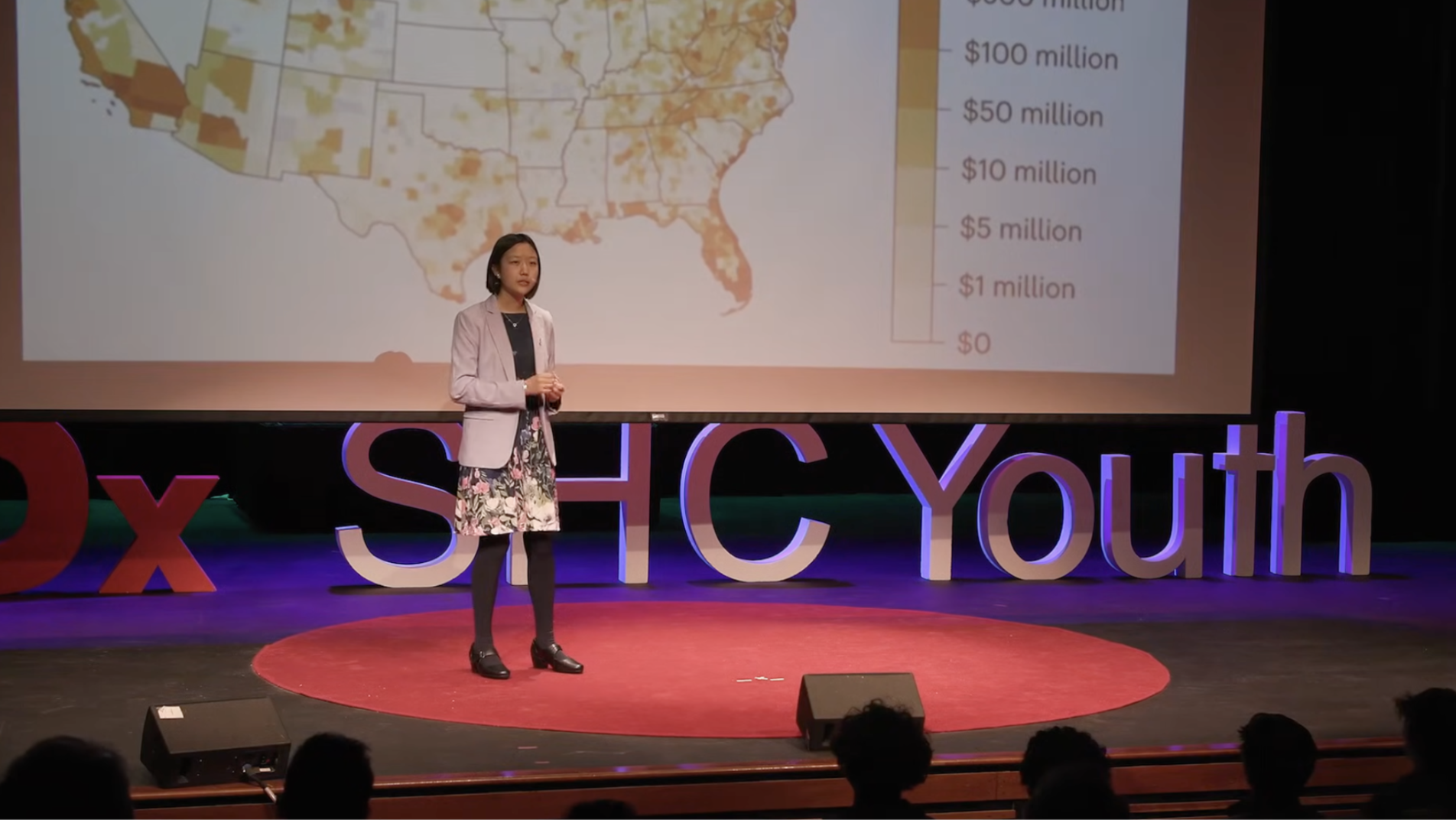
Sophie giving a TEDx talk on climate change.
Age at Winning Prize
18
Home State
California
Sophie founded The Clean & Green Initiative (TCAGI) at age 12 as an online community for young people struggling with eco-anxiety during the Covid pandemic. Her nonprofit works to educate individuals on environmental issues and convert climate anxiety into local action. Six years later, TCAGI has grown to include more than 700 members across 30 countries, with support from groups including the Jane Goodall Institute and DoSomething.org. Sophie and her team are creating a children’s book series on eco-anxiety and will donate 100% of profits from print sales to Bow Seat Ocean Awareness. The books will also be available online free of charge. Sophie also designed and sold “I stand with Ukraine” necklaces through her project chainsofhope.org, raising $8,000 for Ukraine relief.
Another initiative, Bipartisan Bridges, was inspired by the frustrating level of polarization Sophie has seen while advocating for environmental protections. To help address the problem, she founded a cross-partisan dialogue program that brought together Democratic and Republican high school students for eight weeks of in-person, structured debate on climate change, gun control, abortion, and immigration. Sophie designed the program drawing on findings from Stanford’s Strengthening Democracy Challenge and in partnership with Braver Angels, the nation’s largest volunteer-led movement to bridge the partisan divide. Even with supportive partners, launching her program proved challenging. Dozens of cold emails to find high school participants went unanswered for months, and a worsening political climate made the project harder to promote. In the end, every student participant reported greater confidence navigating political disagreement, and her filmed series of debates reached more than 10,000 people online. “This experience taught me the power and importance of genuine human connection,” says Sophie. “Instead of focusing on developing better arguments, the path through polarization is to build better relationships.”
Srihith Chennareddy
MConAI
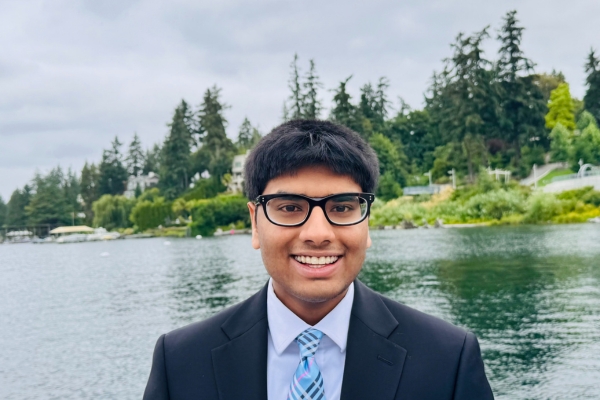
Srihith Chennareddy, creator of MConAI, Multilingual Conversational AI for Low-Cost Early Alzheimer’s Screening.
Click to enlarge and see another image
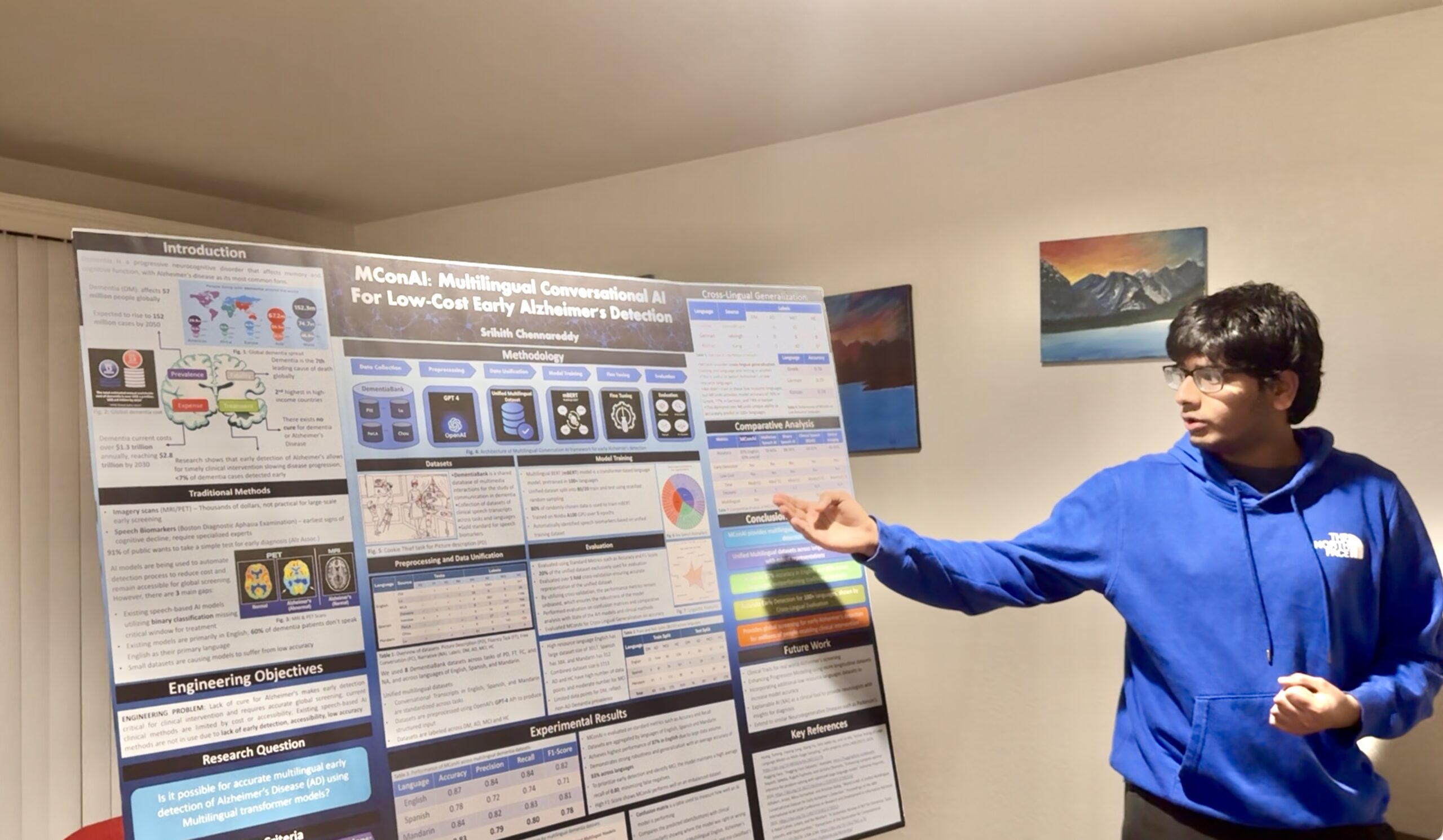
Srihith presenting MConAI at Alzheimer’s Association International Conference Neuroscience Next.
Age at Winning Prize
16
Home State
Washington
Srihith created MConAI, a low-cost, multilingual AI system for early Alzheimer’s screening. His system analyzes speech transcripts to identify subtle cognitive-linguistic biomarkers and classifies individuals as cognitively healthy, mildly impaired, or developing Alzheimer’s. MConAI achieved 87% accuracy in English and 83% across other languages, outperforming many AI-based dementia screening tools that only support English. His results are consistent with the accuracy of expensive clinical detection methods like MRI scans. Srihith’s scalable system has the potential to enable early Alzheimer’s screening worldwide, helping millions of people access timely care and support, particularly in low-resource communities.
Srihith was motivated to begin his work after witnessing his grandfather’s struggles with Alzheimer’s disease. As he researched the disease, Srihith realized it affects more than 50 million people worldwide. He presented his project at the prestigious Alzheimer’s Association International Neuroscience Next 2026 conference and the ACM Artificial Intelligence and Cloud Computing Conference in Tokyo. His research has been published in the ACM Digital Library and IEEE Xplore. In collaboration with the Department of Biomedical Informatics at Stony Brook University and the Institute for Systems Biology (ISB), Srihith continues to advance AI research focused on improving healthcare accessibility. “When I first started this project, I felt that it was too big a problem for a highschooler to solve,” says Srihith. “But as I started working on it, my determination and unique approach allowed every small part of my research to build on each other, and my project was a success.”
RUNNERS-UP
Anakh Sawhney
Rice Kids
Age 17, New Jersey
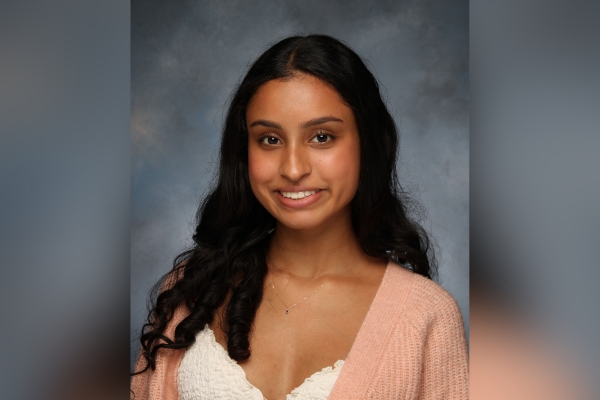
Anakh founded Rice Kids to help break the cycle of poverty by removing barriers that limit children’s access to education. Her nonprofit has supported more than 110,000 people in five U.S. states and several regions in India. Founded in 2018 to feed hot meals to hungry children, Rice Kids has evolved to solve the root cause of poverty by providing education and holistic support. Anakh has built partnerships with hundreds of shelters, community centers, and educational organizations to deliver education programs, nutrition, health support, school supplies, computers, and clothing. Rice Kids also trains women in marginalized communities to become educators, ensuring the group’s work is community-driven and sustainable. In India, more than half the students Rice Kids supports have returned to mainstream education, no longer worried about how to put food on their families’ tables. Anakh began her initiative at age 9, moved by the children she met at homeless shelters where her family volunteered. “I have learned that listening is harder than it sounds,” says Anakh. “The most important shifts in how Rice Kids operates have come from moments where I put the plan aside and listened to what families were actually telling me.”
Andrew Ma
ADAPT
Age 16, Oregon
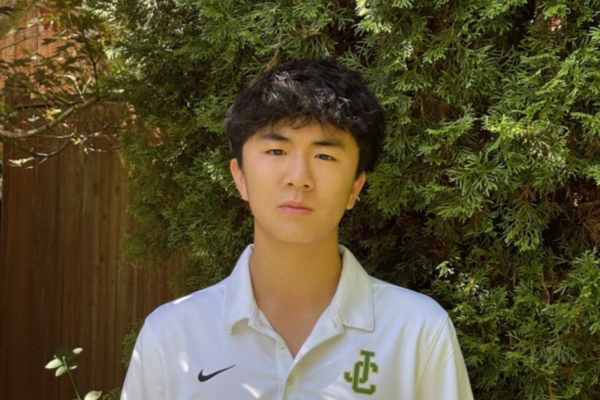
Andrew invented ADAPT, a low-cost drought forecasting and early warning system for small-scale farmers. Using physics-informed AI, ADAPT predicts drought risk weeks to months in advance with up to 93% accuracy. Andrew’s work is rooted in childhood memories of U-Pick fruit farms in Oregon, many of which have closed after consecutive summers of drought. Determined to help local farmers, he interviewed dozens of them to learn what would be most useful in a drought forecasting system, and then got busy prototyping in his home garage. He worked for months, teaching himself machine learning and CAD skills. He also connected with professors at Portland State University, where he learned hydrology and land-surface modeling techniques. Andrew is currently launching a 100-unit pilot in drought-prone areas to test his prototype and has published ADAPT openly on GitHub for others to use. He also leads workshops to equip families with practical water conservation strategies. “I want ADAPT to help ensure that for the next generation, the gates of our local farms remain open,” says Andrew.
Apollo Wong
Glean On Me
Age 17, California
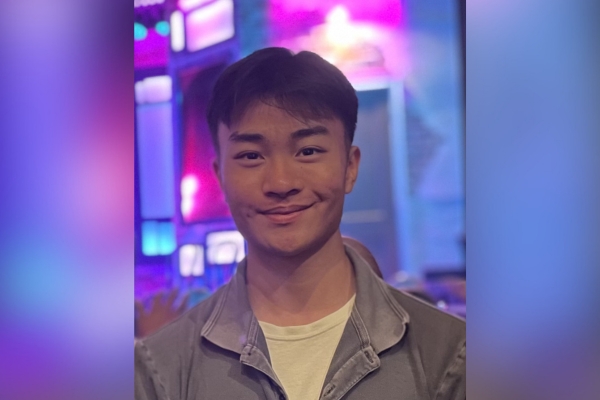
Apollo founded Glean On Me, a youth-led Pasadena organization that fights food waste and hunger by harvesting neighbors’ excess fruit and donating it to local charities. He has led 24 harvests across the San Gabriel Valley and mobilized more than 250 volunteers to recover over 11,000 pounds of fruit, feeding thousands of people in need through 14 partner organizations. Apollo was inspired while volunteering at a homeless shelter, where fresh food was lacking. Meanwhile, neighbors’ trees hung heavy with unused fruit destined for landfills, where it would decompose into potent greenhouse gases. Apollo saw the opportunity to help these seemingly contradictory problems of hunger and food waste at the same time. With grant funding, he launched Glean On Me and recruited students to harvest fruit. His gleaning events provide young people a hands-on way to make a difference in their community while learning about food insecurity and sustainability. Passionate about educating his peers, Apollo continues to speak at schools across California, teaching students about hunger, food waste, and the need and opportunity to tackle both. “I’ve learned that making a difference requires perseverance: show up, roll up your sleeves, expect to work hard, and don’t give up,” says Apollo. “In time, good things will come to fruition.”
Daniel Vinegrad
Stop the Sewage
Age 17, California
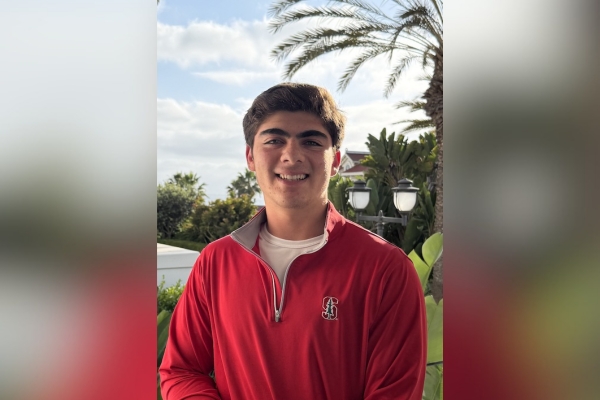
Daniel founded Stop the Sewage to combat the Tijuana River sewage crisis along the United States-Mexico border where for decades, failing wastewater infrastructure has released billions of gallons of untreated sewage into Southern California’s coastal waters. His coalition of students has organized protests and letter-writing campaigns, drafted petitions, and arranged community forums. Their repeated lobbying efforts at the state capitol have raised widespread public awareness and contributed to securing hundreds of millions of dollars in funding for wastewater infrastructure and environmental restoration. Daniel launched his initiative as a club at Coronado High School, frustrated by the closure of his surf team’s beach, where yellow hazard signs warned of contamination. He and his peers organized large-scale beach cleanups and protests, and successfully petitioned the city of Coronado to declare a state of emergency. Daniel also leveraged his Spanish-speaking skills to collaborate with students in Tijuana in addressing the crisis at its source. “I’ve discovered that leadership isn’t about fearlessness or speaking the loudest,” says Daniel. “It’s about stepping forward despite fear and using one’s words to inspire others to action.”
David He
Ocean microplastics bioremediation
Age 18, California
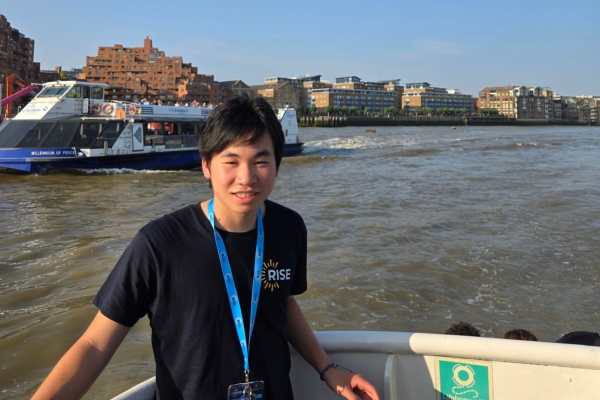
David created a bioremediation method for breaking down ocean microplastic pollution using genetically engineered native marine bacteria. He has also developed a theoretical bioreactor system for safe implementation of his bacterium within the marine environment. He has presented his research at the National STEM Festival and has discussed environmental solutions at Oxford University. New to biochemistry when he started his work, David logged countless hours at his computer working to understand computational protein modeling and molecular dynamics software. He routinely encountered dead ends, failed assemblies, and inconclusive results. For guidance, he reached out to local researchers and received feedback from professional groups like the American Chemical Society. David’s work began in childhood as he helped his grandmother collect and recycle plastic bottles in their neighborhood. As he grew older, he became interested in solutions that could degrade the millions of tons of plastics polluting San Diego’s coastal waters. A project with his school’s Synthetic Biology Club sparked his interest in bioremediation of plastic pollution. “This project has taught me that environmental problems are urgent but solvable, and that young people can contribute to solutions,” says David. “I feel inspired by the bacteria in my petri dish — always adapting, seeking purpose, breaking constraints, and refusing to sit still.”
Landon Hoberman
SEA Program
Age 17, New Jersey
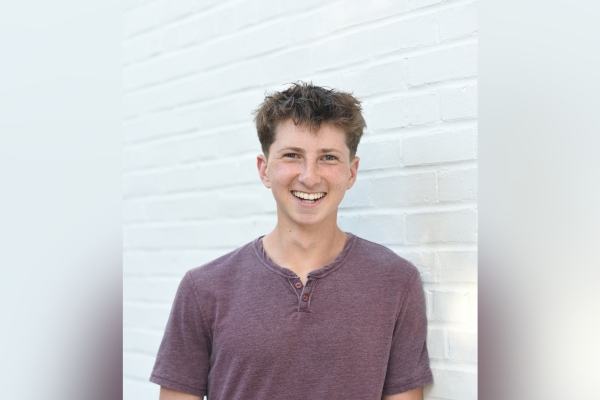
Landon founded the Student Environmental Ambassador (SEA) program to equip students with a playbook to spearhead environmental initiatives in their communities. He has empowered more than 1,465 ambassadors in 88 schools across eleven countries to use SEA’s free, step-by-step toolkits to launch education campaigns, reduce waste, and influence local policy. SEA grew out of Landon’s own environmental work that demonstrated student-led systems can produce measurable results. His #reducebyrequest initiative eliminated 8.1 million single-use utensils and saved local restaurants over $200,000 by shifting utensils from an automatic default to an “upon request” model. He drafted a #reducebyrequest ordinance in his hometown that passed unanimously and then worked with state legislators on similar policy that became New Jersey state law. Landon also mobilized volunteers to remove nearly 2,400 pounds of litter through 59 community cleanups and delivered a dozen interactive lessons to 625 K-8 students. “When I see a student create change in their own community, I’m reminded that the most important impact isn’t just environmental,” says Landon. “It’s the moment students realize they were capable of leading all along.”
Leo Toake
Re:Imagine Inc.
Age 16, New Jersey
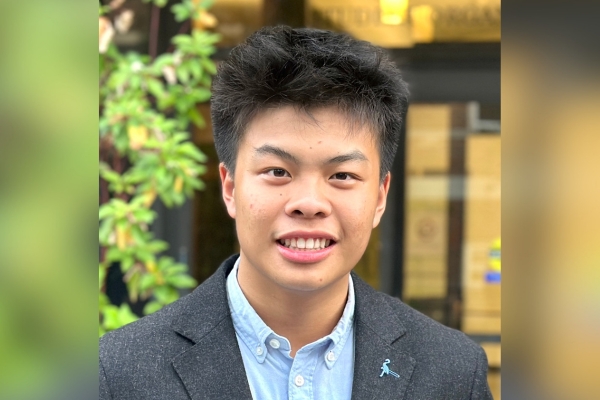
Leo co-founded Re:Imagine Inc. to transform food waste into a natural herbicide, restore native biodiversity, and mobilize sustained community participation. His nonprofit’s mission is to connect science with service and ensure that environmental action strengthens both ecosystems and communities. Re:Imagine Inc. transforms local food waste like potato peels and coffee grounds into S.A.F.E., an eco-friendly, low-cost herbicide that suppresses invasive species without harming soil or water systems. Leo has diverted over 500 pounds of food waste from landfills into his S.A.F.E. production pipeline, reducing greenhouse gas emissions while producing a scalable, low-cost alternative to synthetic chemical treatments. In preliminary trials, S.A.F.E. achieved an 82.5% inhibition rate against invasive Japanese stilt grass. Using S.A.F.E. and other means, Leo and more than 70 volunteers have restored 15 acres in northern New Jersey. They have removed over two tons of invasive biomass and have planted more than 100 keystone species. They have also repaired erosion damage and maintained public trails. “My initial effort to restore land has evolved into something more enduring,” says Leo. “It is about building a culture of care where people see themselves not as separate from their environment but as responsible for it.”
Luke Voss
Bricks4DC
Age 16, Washington, DC
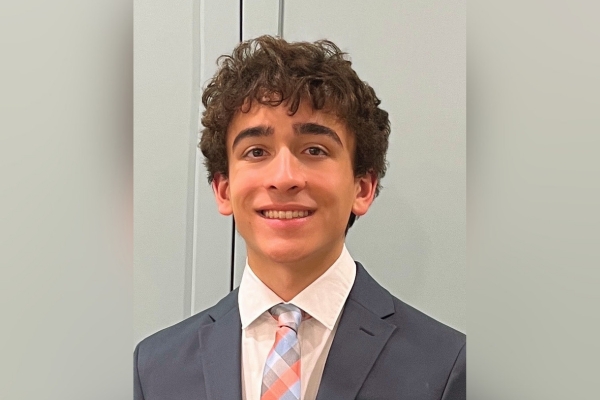
Luke created Bricks4DC to bring community-donated LEGO® bricks and engineering instruction to over 1,000 children at family housing shelter across Washington, DC. He has brought custom LEGO® tables and bins to all eight DC shelters, stocked with $8,000 worth of donated bricks. Luke began his project as a sixth grader during the pandemic, when he purchased LEGO® sets for children at his local shelter and led building sessions via Zoom. When pandemic restrictions eased, Luke brought bins of sanitized bricks to the shelter and led in-person classes. Mindful that the kids only had access to the bricks during his classes, he resolved to build and stock a permanent LEGO® storage play table for each DC shelter. Supported by grant funding, he also reached out for donated bricks and received over 700 pounds of them, which he sorted and sanitized with help from his Scout troop. Luke’s efforts won him recognition as the regional Eagle Scout Project of the Year. Since then, he has created a nonprofit and recruited over 30 volunteers to expand Bricks4DC. “I’ve learned the importance of making an extra effort to connect with each child during an unstable time in their life,” says Luke. “I get to know them, learn what they want to build, and help make it happen.”
Nethanya Fonseka
Plant It Forward
Age 17, Michigan
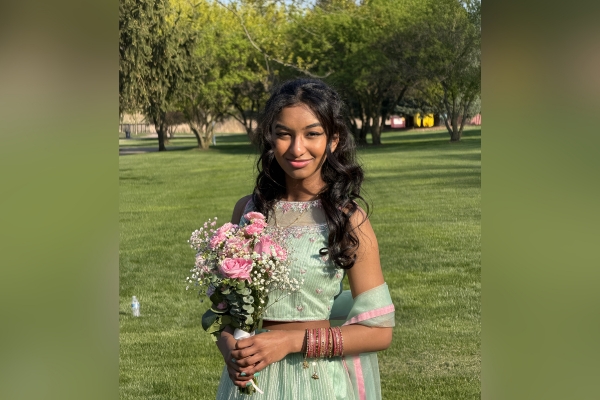
Nethanya founded Plant It Forward to help mitigate climate change by increasing tree canopy and preserving biodiversity. She has mobilized dozens of her peers to plant 863 trees, partnering with four Michigan cities and townships. Her team has also planted over 9,000 native shrubs, perennials, and grasses, and sown five million native wildflower seeds. Nethanya has led her group in developing pollinator habitat and a Heritage Garden to serve as sanctuaries for Michigan’s native species. She has also rallied more than 60 student volunteers to clean up parks and watersheds, remove invasive species, and transform a traffic circle into a micro forest. She has partnered with more than 20 educational and environmental organizations, learning about soil health from master gardeners and land stewardship from indigenous leaders. She launched her work as a high school freshman with a shovel and 100 poplar trees donated by Living Carbon. Through all her initiatives, she works to instill environmental stewardship and convey the importance of our choices and actions. “Planting It Forward has taught me to be undeterred by obstacles,” says Nethanya. “I have learned to keep going, especially when life tests my optimism, perseverance, and limits.”
Sophia Parekh
Sophia’s Book Stand
Age 12, New Jersey
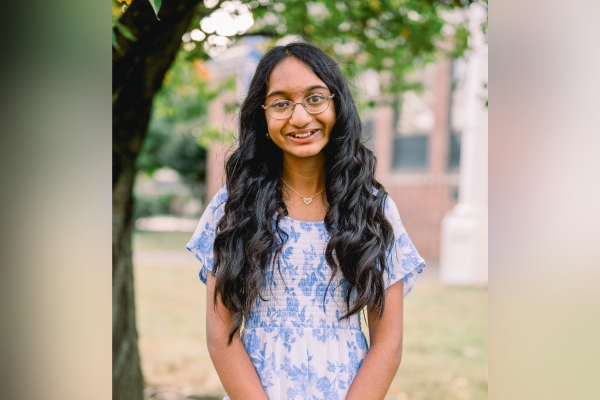
Sophia created Sophia’s Book Stand to provide free, like-new books to children in underserved areas. Over the past five years, she has distributed more than 8,000 books, handpicked to match the ages and interests of the children who receive them. She also supports teachers in underserved schools with books for their classrooms and delivers books to organizations that serve families in need. An avid reader, she wants to ensure that all kids have the opportunity to discover the magic of books, especially those who might not have them at home. Sophia launched her project at age 7 a year after the Covid pandemic began. Knowing that many families were struggling and couldn’t afford books, she organized a donation drive. She also created a form where families requesting books could indicate their children’s ages and interests. A year later, she was invited to appear on the Drew Barrymore show, exposure that brought donations of new books from Disney and well-known authors. “Starting my organization has taught me that small actions can make a big difference,” says Sophia. “I’ve learned that one idea and one person can impact thousands of lives.”